
What is a Rust Cleaning Laser?
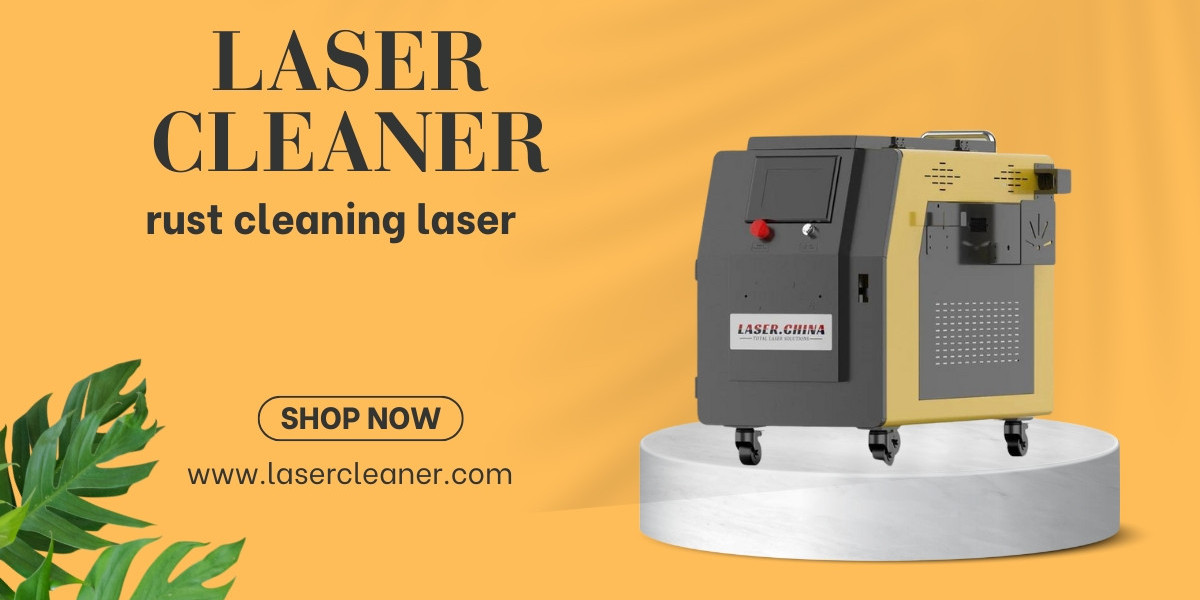
A rust cleaning laser, also known as a laser rust remover or laser surface cleaner, is a state-of-the-art device that utilizes high-intensity laser beams to remove rust, oxidation, paint, and contaminants from metal surfaces without damaging the underlying material. This non-contact, eco-friendly method is reshaping how industries approach surface preparation and restoration.
Why Laser Cleaning is Redefining Surface Restoration
Traditional rust removal methods—such as sandblasting, chemical baths, and manual grinding—are often labor-intensive, hazardous, and damaging to materials. Laser cleaning offers a precise, efficient, and sustainable alternative with superior results.
Key Benefits of Laser Rust Cleaners
| Feature | Benefit |
|---|---|
| Non-abrasive | Protects base material while cleaning rust and contaminants |
| Eco-friendly | No chemicals or secondary waste, eliminating environmental concerns |
| High precision | Targets only the corroded areas, suitable for delicate or detailed work |
| Low maintenance | Minimal consumables and long-lasting laser components |
| Time-saving | Faster operation compared to conventional methods |
How Does Laser Rust Removal Work?
Laser cleaning systems operate using a pulsed fiber laser. When directed at a rusted surface:
The laser beam heats the contaminants.
The rust absorbs the laser energy, causing it to vaporize or lift off.
The base metal reflects the laser, remaining unaffected due to differing absorption properties.
This selective targeting is why laser rust cleaners are exceptionally safe and precise.
Real-World Applications of Laser Rust Cleaning
Industries benefiting from laser rust cleaning:
Automotive: Chassis, engine parts, and restoration of vintage cars
Aerospace: Component maintenance without structural damage
Shipbuilding: Hulls and metal decks that require frequent rust removal
Construction: Removing oxidation from steel beams and joints
Manufacturing: Cleaning molds, dies, and assembly lines
Different Types of Laser Cleaners
| Type | Best For | Power Range |
|---|---|---|
| Handheld Laser Cleaner | Portable field work or small-scale maintenance | 50W – 1000W |
| Stationary Laser System | Industrial production lines | 1000W – 3000W |
| Automated Laser Cleaning Robot | Precision and repetitive tasks in automation | Custom-configurable |
Important Considerations When Choosing a Laser Cleaner
When selecting the best laser rust cleaner for your application, consider:
Power Output: Higher wattage allows for deeper rust removal and faster performance.
Portability: Choose handheld for mobility or fixed systems for heavy-duty jobs.
Cooling System: Air-cooled systems are compact, while water-cooled units support higher power ranges.
Pulse Type: Pulsed lasers are better for fine control; continuous wave lasers suit bulk removal.
Laser Cleaner vs. Traditional Rust Removal Methods
| Feature | Laser Cleaner | Sandblasting / Chemicals |
|---|---|---|
| Damage to substrate | Minimal | Often damaging |
| Waste produced | None | Dust, slurry, chemical waste |
| Operation cost over time | Lower (low upkeep) | High (media, labor, safety) |
| Safety and cleanliness | High | Hazardous and messy |
| Automation compatibility | Yes | Limited |
FAQs: Rust Cleaning Laser
Q1: Is laser rust removal safe?
Yes. Laser cleaners are engineered with safety features such as enclosed operation zones and automatic shut-offs. With proper training and PPE, they are safer than chemical and abrasive methods.
Q2: What materials can be cleaned with a laser?
Primarily metals—steel, aluminum, copper, brass, and titanium. It can also clean stone or glass with the right configuration, though it's most efficient on rusted ferrous metals.
Q3: How fast is laser rust removal?
Speed depends on laser wattage and rust thickness. A 1000W laser can clean several square feet per minute on moderate rust.
Q4: Does laser cleaning affect metal integrity?
No. Laser energy is absorbed by the rust and not the base metal. This ensures no warping, scratching, or weakening of the cleaned surface.
Q5: Can laser cleaners be used for large-scale operations?
Absolutely. With automation and high-power units, laser cleaners are deployed in shipyards, factories, and energy plants for large-scale de-rusting tasks.
Data-Driven Insight
According to industry reports:
The global laser cleaning market is projected to surpass $1.2 billion by 2030, driven by increased adoption across aerospace and manufacturing sectors.
Companies report 30–50% reduction in maintenance time after switching to laser rust removal solutions.
ROI typically occurs within 12 to 24 months, especially for companies phasing out sandblasting or chemical treatment.
Final Thought
Laser cleaning technology isn’t just a trend—it’s a pivotal shift toward more sustainable, precise, and efficient industrial maintenance. With the ability to preserve material integrity, lower long-term costs, and eliminate toxic waste, laser rust removers are setting a new industry benchmark.