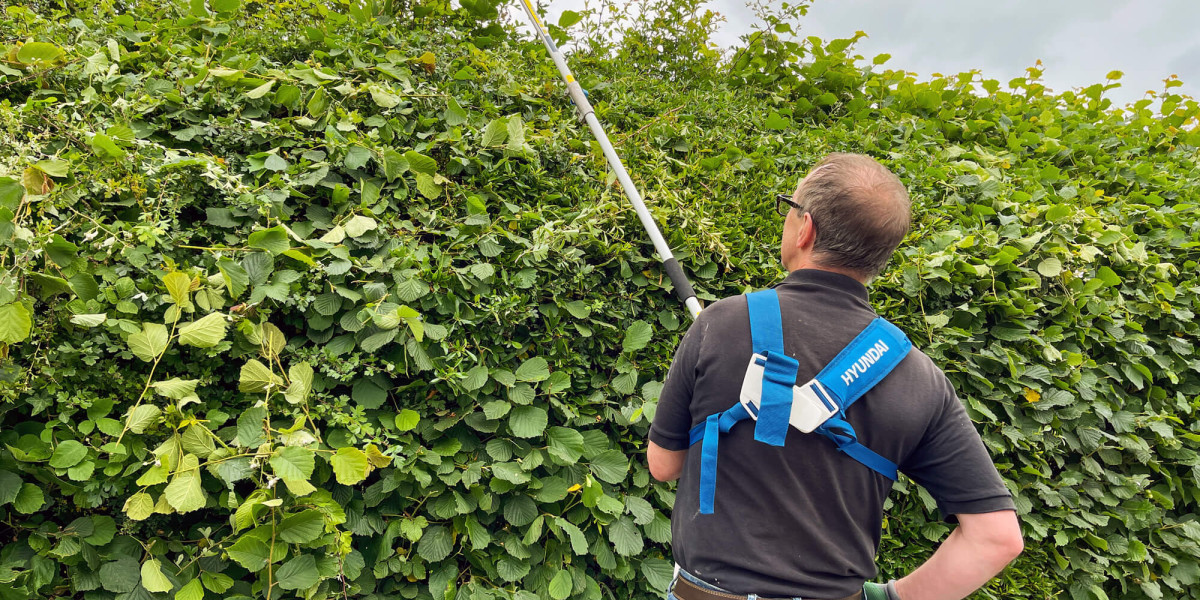

Healthy, beautiful trees don’t just happen by luck. Proper tree care plays a vital role in maintaining the health, safety, and aesthetics of your landscape. Two common types of tree maintenance are deadwood removal and tree pruning. While these processes may seem similar, they serve distinct purposes and offer unique benefits. Understanding the differences can help you decide which option is best for your trees.
What Is Deadwood Removal?
Deadwood removal focuses on eliminating dead, dying, or diseased branches from a tree. These branches, referred to as "deadwood," no longer contribute to the tree’s growth and can pose significant risks if left unaddressed.
Why Is Deadwood Removal Necessary?
Deadwood can be more than just an eyesore – it can also compromise safety and health. Here are a few key reasons to consider deadwood removal:
Prevents hazards: Dead branches can fall unexpectedly, especially in bad weather, causing damage to property or injury.
Improves tree health: Removing dead branches allows the tree to focus energy on healthy growth.
Enhances appearance: Tidying up deadwood gives trees a cleaner look, improving the aesthetics of your landscape.
When Should You Remove Deadwood?
Deadwood removal can be done year-round, but it’s best to inspect your trees before the stormy or windy season. If you notice brittle, cracked, or lifeless branches, it’s time to act.
What Is Tree Pruning?
Tree pruning encompasses general trimming practices that shape, manage, and encourage the growth of a healthy tree. Unlike deadwood removal, pruning often involves cutting back living branches for maintenance or aesthetic purposes.
The Key Goals of Tree Pruning
Tree pruning serves multiple purposes, often tailored to the specific needs of the tree and its environment. The main objectives include:
Improving shape and structure: Regular pruning ensures a balanced, symmetrical tree.
Encouraging healthy growth: By removing unnecessary or competing branches, pruning directs energy to the stronger, healthier limbs.
Promoting safety: Trimming overgrown branches prevents interference with wires, roofs, or pathways.
Types of Tree Pruning
Tree pruning methods vary depending on the desired outcome. Common types include:
Thinning: Removing selected branches to improve air circulation and light penetration.
Crown reduction: Reducing the overall height or spread of the tree for better structural integrity.
Raising: Eliminating lower branches to provide clearance for pedestrians or vehicles.
Deadwood Removal vs. Tree Pruning: What Sets Them Apart?
While deadwood removal and tree pruning may involve cutting branches, they’re not interchangeable. Here’s a closer look at their differences:
Aspect | Deadwood Removal | Tree Pruning |
Primary Purpose | Remove dead, dying, or diseased branches | Shape a tree and promote healthy growth |
Focus | Health and safety | Aesthetics, growth, and clearance |
Timing | Year-round | Typically during dormant seasons |
Branches Targeted | Dead, brittle, or hazardous branches | Living, overgrown, or structurally weak branches |
Understanding these distinctions ensures your trees receive the care they need at the right time.
Benefits of Proper Tree Maintenance
Both deadwood removal and pruning are essential for nurturing healthy, thriving trees. Working together, these practices offer numerous benefits:
Enhanced safety: Prevent falling branches and other hazardous conditions.
Improved tree longevity: Routine maintenance boosts the health and lifespan of trees.
Aesthetic appeal: Healthy trees enhance curb appeal and add value to your property.
Environmental benefits: Well-maintained trees contribute to cleaner air, shade, and a healthier ecosystem.
How to Decide Between Deadwood Removal and Pruning
Not sure which option your tree needs? Here are some tips to guide your decision:
Choose deadwood removal if you notice lifeless, decayed, or hanging branches. This is a priority for safety and tree health.
Opt for pruning when you want to shape your tree, manage its growth, or address interference with nearby structures.
If you’re still unsure, consulting a certified arborist can help you develop a custom plan for your trees.
Tips for Effective Tree Care
Whether you’re removing deadwood or pruning, here are a few tips to ensure proper tree care:
Always use clean, sharp tools to prevent disease transmission.
Avoid over-trimming, which can stress the tree.
Pay attention to seasonal timing, as dormant periods are often ideal for pruning.
Hiring a professional ensures the job is done safely and effectively, especially for larger or harder-to-reach branches.
Final Thoughts
Understanding the difference between deadwood removal and tree pruning helps you keep your trees healthy and your landscape safe. While both practices are integral to tree care, they serve unique purposes and should be performed based on your tree’s specific needs.
If your trees require attention, don’t wait. Regular maintenance not only boosts your property’s beauty but also prevents unnecessary risks. Contact a trusted arborist today for expert advice and services tailored to your tree’s health!