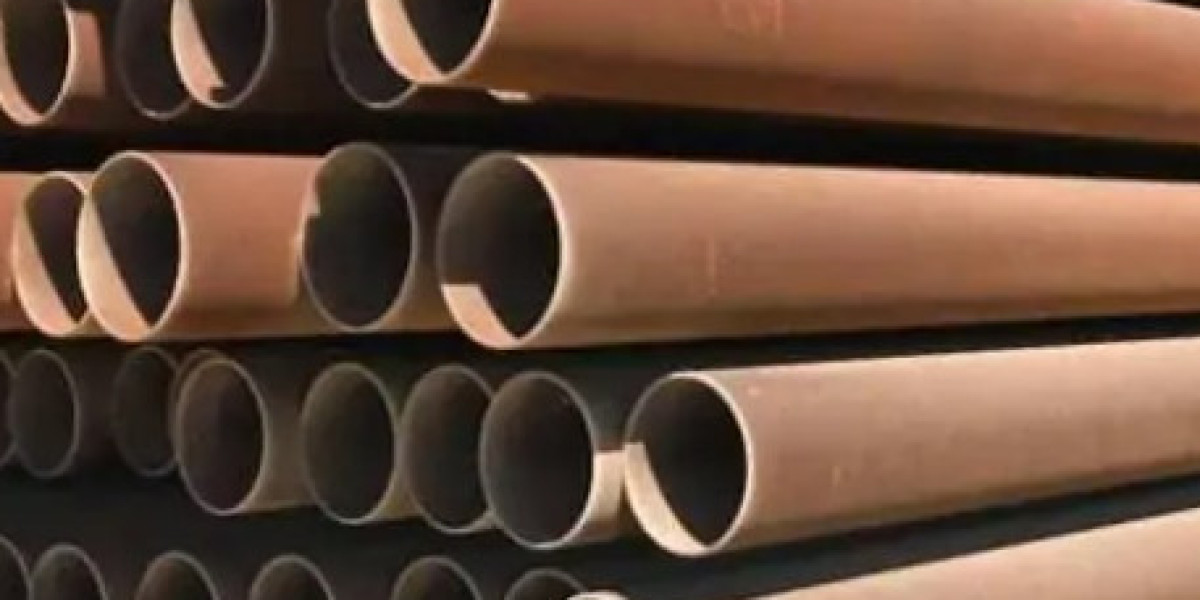

In the world of industrial heating and energy generation, efficiency and cost savings are critical. One of the components that contributes significantly to these goals is the APH Boiler Tube. Found in Air Preheaters (APH) of boiler systems, these tubes are vital for improving performance, reducing fuel consumption, and increasing heat recovery.
This article explores the applications and benefits of APH Boiler Tubes in industrial boilers, helping you understand why they are essential in modern boiler technology.
What Are APH Boiler Tubes?
APH stands for Air Preheater, a device installed in the flue gas path of industrial boilers. APH Boiler Tubes are heat exchanger tubes inside this unit that help recover waste heat from flue gases. This heat is then used to warm the incoming combustion air, making the boiler more energy-efficient.
By using APH Boiler Tubes, industries can significantly improve their thermal efficiency, reduce fuel costs, and lower emissions.
How Do APH Boiler Tubes Work?
Industrial boilers burn fuel to produce steam or heat, and in the process, release hot flue gases. These gases still contain a large amount of heat energy. Instead of letting this energy go to waste, APH Boiler Tubes recover it by transferring the heat to the fresh air entering the combustion chamber.
This process has multiple advantages:
Warmer combustion air improves fuel burning
Less energy is required to heat the air
Flue gases are cooled before they exit, reducing environmental impact
Common Applications of APH Boiler Tubes
1. Power Generation Plants
In power stations, especially those using fossil fuels, APH Boiler Tubes are critical for enhancing combustion efficiency. They help save fuel and improve boiler output.
2. Chemical and Petrochemical Industries
These sectors rely on high-temperature operations. APH Boiler Tubes help recover heat from process gases, reducing the need for extra fuel input.
3. Cement and Steel Plants
Cement kilns and steel furnaces consume large amounts of energy. By using air preheaters with APH Boiler Tubes, these industries reduce heat loss and enhance process efficiency.
4. Pulp and Paper Industry
Steam and hot air are essential in drying processes. APH Boiler Tubes aid in maximizing steam production efficiency in boiler systems.
5. Food Processing
Boilers are used in sterilisation and food production. Preheating combustion air through APH Boiler Tubes ensures better energy utilisation.
6. Textile Mills
Textile industries use steam and hot air in dyeing and drying processes. Preheated air helps reduce operational costs and improve process speed.
Key Benefits of Using APH Boiler Tubes
1. Improved Fuel Efficiency
By recycling waste heat and using it to preheat the air, APH Boiler Tubes reduce the amount of fuel needed for combustion. This leads to noticeable fuel savings in the long run.
2. Lower Operating Costs
Reduced fuel usage translates to lower energy bills. For industries with continuous boiler operations, this can mean substantial cost savings annually.
3. Enhanced Boiler Performance
Preheated air supports more complete and stable combustion. This improves the efficiency and reliability of the entire boiler system.
4. Extended Equipment Lifespan
With better combustion and lower thermal stress on components, boiler parts like burners, tubes, and fans last longer.
5. Reduced Emissions
Efficient fuel burning results in fewer emissions such as CO₂, NOx, and SOx. APH Boiler Tubes help industries meet environmental regulations and sustainability goals.
6. Heat Recovery and Waste Reduction
Rather than releasing high-temperature gases into the atmosphere, APH systems recover that heat, turning waste into usable energy.
7. Faster Start-Up Time
With incoming air already preheated, the boiler reaches its operating temperature faster, reducing warm-up time and improving responsiveness.
Choosing the Right APH Boiler Tubes
Selecting the appropriate type of APH Boiler Tube is critical to achieving long-term efficiency and durability. Factors to consider include:
Operating temperature and pressure
Corrosiveness of flue gases
Required heat transfer rate
Compatibility with APH design
Common materials include:
Carbon Steel – Cost-effective and good for moderate temperatures
Alloy Steel – For high temperature and corrosive environments
Stainless Steel – Excellent corrosion resistance and long service life
Fin Tubes – Used when more surface area is needed for heat transfer
Maintenance and Cleaning
Regular inspection and cleaning are essential for keeping APH Boiler Tubes efficient. Over time, ash, soot, and residues from fuel combustion can reduce heat transfer and cause blockages. Cleaning tools like soot blowers and chemical washes are commonly used to maintain tube performance.
Preventive maintenance also includes checking for corrosion, erosion, and leaks. A well-maintained APH system ensures consistent performance and minimizes downtime.
Conclusion
APH Boiler Tubes are a vital part of industrial boiler systems, offering a practical solution to improve efficiency, reduce energy costs, and lower emissions. By recovering waste heat and enhancing combustion, these tubes contribute directly to operational sustainability and cost-effectiveness.
Whether in power plants, cement factories, or chemical processing facilities, the use of APH Boiler Tubes brings measurable benefits across industries. Investing in high-quality tubes and maintaining them regularly ensures your boiler system performs at its best—delivering energy savings and environmental compliance at the same time.