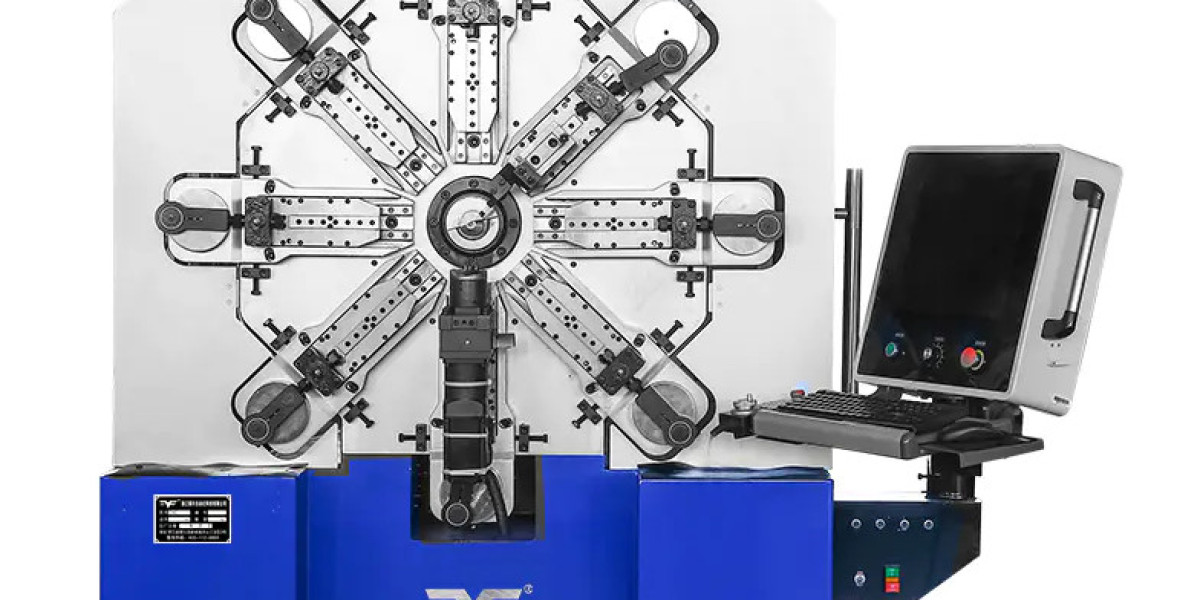

Coiling machines are essential equipment in metalworking and manufacturing processes. These machines are designed to bend or wind metal sheets, wires, and strips into coils for easier storage, handling, and transportation. The process of coiling helps in reducing material damage and maintaining consistent product quality. Coiling machines can handle different types of metals, including steel, copper, and aluminum, making them versatile in industrial applications.
Modern coiling machines often incorporate automated controls that allow operators to adjust speed, tension, and coil diameter. This flexibility ensures that coils are formed according to precise specifications. In addition, coiling machines can be used in continuous production lines, where material is fed from one process to another without interruption. By integrating these machines, factories can maintain steady output and improve overall workflow efficiency.
Safety is another important aspect of using coiling machines. Many units include protective guards and emergency stop mechanisms to prevent accidents. Operators should be trained in safe handling procedures to minimize risks during operation. Regular maintenance is also critical to ensure the machine functions reliably and reduces downtime. Lubrication of moving parts and inspection of electrical components are common maintenance tasks.
Coiling machines also play a role in reducing storage space requirements. By winding long strips of metal into compact coils, facilities can store materials more efficiently. These machines can produce coils of varying sizes, which allows manufacturers to meet different customer needs. Some coiling machines are equipped with tension control systems to prevent material deformation, ensuring that the final coils maintain their intended shape.
Coiling machines are versatile and practical tools for shaping, storing, and handling metal products. Their applications in continuous production lines, combined with automation and safety features, make them a valuable part of modern manufacturing operations. Understanding the functions and maintenance requirements of these machines helps operators achieve consistent results and maintain efficient workflows.
Ubicación del Autor
London, Reino Unido