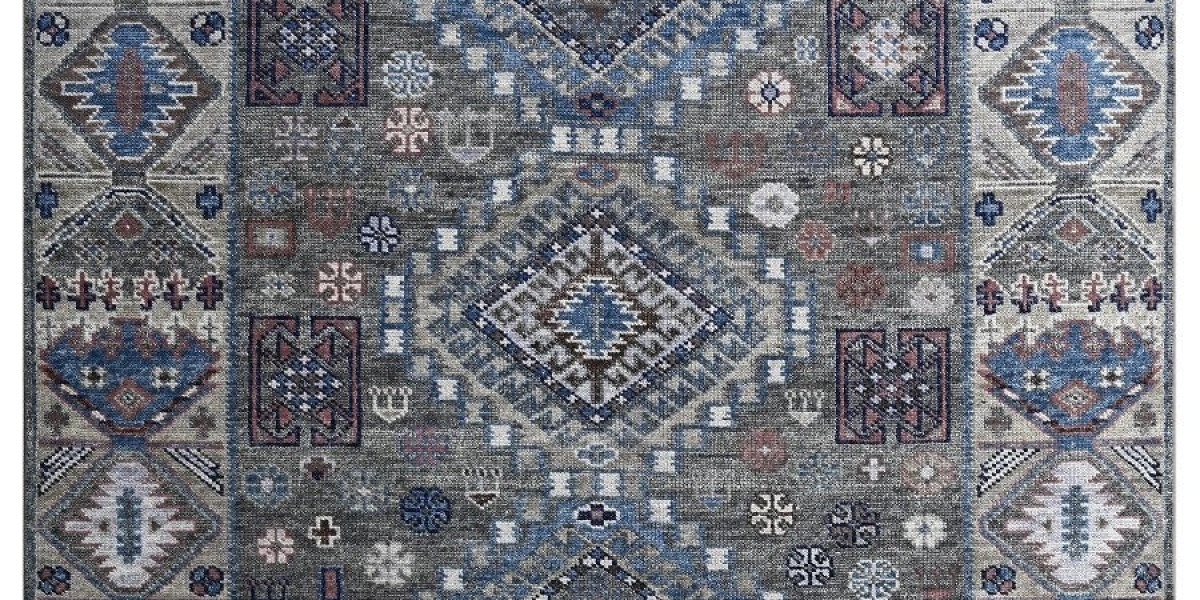

Traditional rugs work in modern interiors when you treat them as statement pieces rather than matching accessories. Pair bold, patterned traditional rugs with solid, minimalist furniture. Choose neutral-toned traditional rugs for a seamless blend into contemporary spaces. The goal is contrast, not conformity — let the rug's craftsmanship stand out against clean, simple lines.
Traditional rugs are showing up in more contemporary homes than ever before. Designers are pairing hand-knotted, heritage-pattern pieces with sleek furniture and minimalist layouts, proving that old-world craftsmanship and modern design aren't at odds.
This pairing works because it creates depth. A room full of clean lines and neutral tones can feel flat without something to anchor it. A traditional rug adds texture, history, and warmth that machine-made pieces simply can't replicate.
This guide breaks down practical ways to bring traditional rugs into modern spaces — room by room, color by color — so you can style them with confidence instead of guesswork.
What Makes a Rug "Traditional"?
Traditional rugs are typically hand-knotted using techniques passed down through generations. They often feature heritage patterns — think Persian medallions, Oriental florals, or tribal geometric motifs — dyed using natural pigments derived from plants, minerals, or insects.
Each rug carries the fingerprint of its maker. No two are exactly alike, even within the same pattern family. This is part of what gives them cultural and artisanal value: you're not just buying a floor covering, you're buying a piece of craft history.
That craftsmanship also makes traditional rugs a smart long-term investment. Quality wool or silk pieces can last decades, often improving in appearance as they age. When you buy rugs online today, especially from artisan-focused sellers, you're investing in something that holds both aesthetic and monetary value over time.
Will a Traditional Rug Clash With My Modern Furniture?
This is the most common worry homeowners have, and it's a fair one. Modern interiors typically lean on minimalism: neutral palettes, clean lines, and uncluttered surfaces. A heavily patterned traditional rug can feel like a jarring interruption in that kind of space.
But clashing usually happens from careless placement, not from the rug itself. The fix isn't to avoid traditional rugs — it's to style them with intention. When you pair the right rug with the right furniture, the contrast becomes the design, not a mistake.
Styling Strategies That Actually Work
Let the Rug Be the Statement Piece
In a room with neutral walls, simple furniture, and minimal decor, a traditional rug can become the visual anchor. Let it do the talking. Skip other bold patterns or busy accessories, and let the rug's detail stand on its own.
Layer Contrast, Not Confusion
Modern furniture typically features straight edges and simple silhouettes. Set that against a traditional rug's intricate patterns, and you get a layered look that feels curated rather than accidental. The sharp lines of a modern sofa next to the organic curves of a Persian design create genuine visual interest.
Match Geometric Patterns With Solid Furniture
If your traditional rug leans geometric — diamond motifs, repeating borders, tribal shapes — pair it with solid-colored furniture. This keeps the room from feeling overloaded while still letting the pattern shine.
Choose Neutral Tones for Easier Integration
Not every traditional rug needs to be a bold centerpiece. Rugs in muted, neutral tones with subtle traditional patterns blend more easily into minimalist spaces. This is a good option if you want the benefits of a traditional rug without committing to a strong visual statement.
Mix Rug Sizes and Styles
Try layering a smaller traditional rug on top of a larger, plain contemporary rug. This technique, sometimes called rug layering, adds texture and dimension without overwhelming the room. It also works well in spaces where a single large traditional rug might feel like too much.
How Do You Coordinate Colors and Patterns With a Modern Space?
Color is where most styling mistakes happen. Here's how to get it right:
Match the undertone, not the exact shade. If your walls and furniture lean warm, pick a traditional rug with warm reds, ambers, or golds. Cool-toned rooms pair better with blues, greens, or grays.
Use pattern as the focal point. In a room with plain walls and simple furniture, a bold traditional pattern gives the eye somewhere to land.
Balance busy with simple. Ornate rug designs need breathing room. Keep furniture arrangements clean and avoid cluttering the space with other decorative patterns.
Room-by-Room Styling Ideas
Living Rooms
Place a traditional rug under your seating arrangement so it anchors the sofa, chairs, and coffee table as one cohesive zone. This works especially well in open-plan homes, where a rug helps define the living area without needing walls.
Bedrooms
Lay a traditional rug at the foot of a modern bed frame. This adds a pop of pattern and color at eye level when you walk in, without overwhelming the whole room. It also softens the visual weight of a plain platform bed.
Home Offices
A traditional rug under a minimalist desk setup adds warmth to what's often a purely functional space. It also helps define your workspace, especially if your office shares a room with another function.
Bringing It All Together
Traditional rugs and modern interiors work well together when the pairing is deliberate. Use rugs as focal points, balance bold patterns with simple furniture, and choose colors that speak to your existing palette.
If you're ready to shop, look for reputable sources when you buy rugs online in India — artisan cooperatives, established rug houses, and sellers who provide detailed information on materials and origin. A well-chosen traditional rug isn't just a decor purchase. It's a piece you'll likely keep, and love, for years.
Frequently Asked Questions
Do traditional rugs work in small modern apartments?
Yes. In smaller spaces, choose a traditional rug in a smaller size or a runner format, and stick to neutral tones if you want the room to feel open rather than crowded.
What's the best way to buy rugs online without seeing them in person?
Check the material, knot density, and dye type listed in the product description. Reputable sellers who buy rugs online in India often provide close-up photos and sizing guides, so review those carefully before purchasing.
Can I mix more than one traditional rug in the same room?
Generally, stick to one traditional rug per room to avoid visual competition. If you want to layer, pair a smaller traditional piece with a larger plain rug instead of two patterned traditional rugs.
How do I clean a hand-knotted traditional rug?
Vacuum regularly on a low-suction setting and get professional cleaning every 12 to 18 months. Avoid harsh chemical cleaners, which can damage natural dyes and fibers.
Are traditional rugs worth the investment compared to machine-made options?
For most buyers, yes. Hand-knotted traditional rugs typically last longer and hold their value better than machine-made alternatives, making them a stronger long-term investment despite the higher upfront cost.
Ubicación del Autor
New Delhi, Pillar No 11, B, 372-73, Mehrauli-Gurgaon Rd, Sultanpur