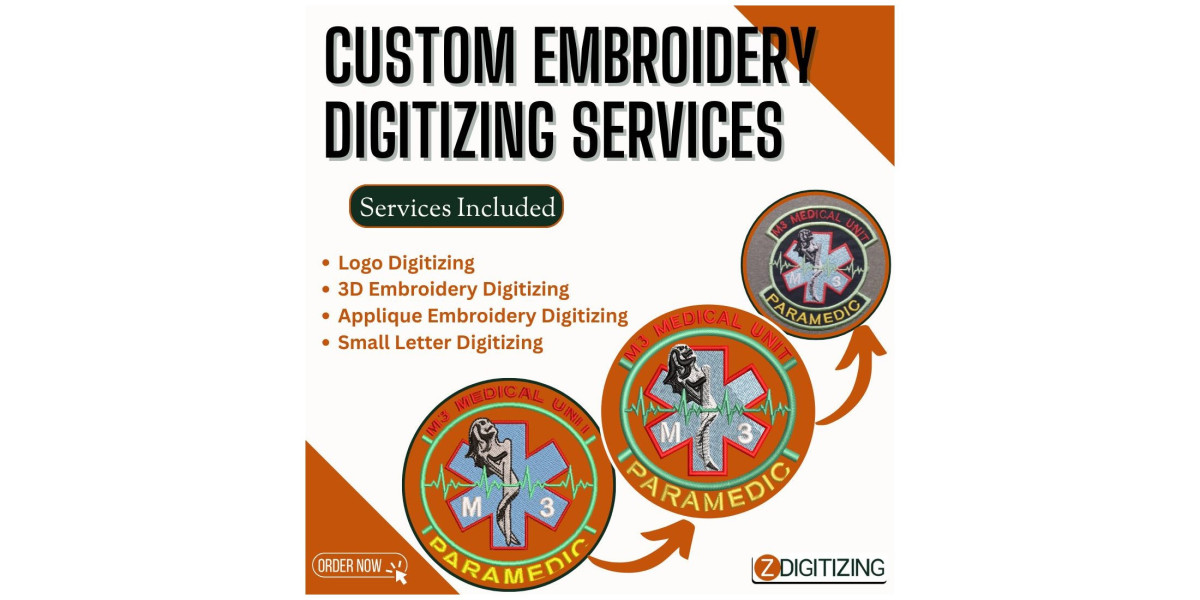

In a market where visual communication influences buying decisions, presenting a logo with quality and consistency is essential. Embroidery remains one of the most dependable methods for showcasing a brand on apparel, accessories, and promotional items.
Before a design can be embroidered, however, it must first be prepared through a process known as logo digitizing. This step converts traditional artwork into a format embroidery machine can interpret, ensuring accuracy and professional results.
What Is Logo Digitizing?
Logo digitizing is the process of converting an image such as a JPEG, PNG, or vector file into a machine-readable embroidery file. Instead of working with pixels, embroidery machines rely on stitch commands. These instructions determine how the machine moves, the density of the stitches, and the stitch types used.
Although software assists with the technical work, the quality of the final file depends heavily on the skill of the digitizer. The individual must understand how stitch types, fabric tension, thread thickness, and design complexity interact. A skilled digitizer ensures the design translates cleanly into thread, maintains its shape, and avoids issues during production.
Why Logo Digitizing Matters
Digitizing directly affects the appearance and durability of embroidered items. Even advanced embroidery equipment cannot correct errors caused by poor digital preparation. When digitizing is done correctly, the design is cleaner, sharper, and more consistent across multiple products.
Key reasons why digitizing is important include:
- Precision: Details in the artwork are translated into accurate stitch patterns.
- Stitch Density Control: Balanced density prevents puckering while maintaining coverage.
- Fabric Compatibility: Each fabric type reacts differently to stitching, so adjustments prevent distortion.
- Efficient Machine Operation: Proper digitizing reduces thread breaks and interruptions.
- Professional Final Output: The design appears clean, readable, and aligned.
The Process of Logo Digitizing
Digitizing is a structured process that blends technical expertise with design understanding. Below is an overview of how professionals develop a stitch-ready file:
1. Evaluating the Artwork
The digitizer reviews the logo, assessing shapes, small elements, colors, and areas that may require simplification. Designs with very fine lines or gradients often need adjustments to translate effectively into stitching.
2. Choosing Stitch Types
Different stitch types provide different textures and strengths. The most common include:
- Satin stitches for borders, small shapes, and text
- Fill stitches for large blocks of color
- Running stitches for fine line details
3. Planning the Stitch Sequence
The digitizer determines the order in which elements will be embroidered. A thoughtful sequence avoids unnecessary jumps and ensures consistent alignment.
4. Adjusting for Fabric and Thread
Fabric properties influence how stitches settle. Adjustments in density, underlay, and compensation are essential to avoid distortion or gaps.
5. Test Stitching
Before final approval, a sample run helps identify areas that need refinement. This step reduces production issues and ensures a clean final product.
Benefits of Professional Logo Digitizing
Using a professional digitizing service provides advantages that go beyond simply converting a file. It contributes directly to brand consistency and long-term durability.
- Reliable Quality Across Products: A carefully digitized file produces consistent embroidery on shirts, hats, bags, and other materials.
- Durability: Proper stitch structure helps the design hold up well to wear and washing.
- Improved Clarity: Small text and fine details remain legible.
- Reduced Production Time: Fewer machine interruptions lead to faster turnaround.
- Versatility: A good digitized file can be used across various fabric types and product categories.
Common Challenges in Digitizing
Certain elements of a logo may require special attention, especially when converting from digital artwork to thread. Challenges often include:
- Fonts that are too thin for stitching
- Gradients or shadows that require creative stitching techniques
- Designs with excessive details that must be simplified
- Dense sections that can distort fabric
- Incorrect underlay that causes uneven stitching
Experienced digitizers solve these issues through adjustments in density, stitch type, and compensation.
Why High-Quality Digitizing Supports Your Brand
A logo is a core component of brand recognition. When embroidered on uniforms or merchandise, it should reflect accuracy and professionalism. Poor digitizing can result in crooked edges, inconsistent coverage, or unreadable text, which negatively affects the perceived quality of the brand.
High-quality digitizing ensures:
- Clear, sharp embroidery
- Accurate color transitions within the constraints of thread
- Consistent appearance across multiple products
- A polished presentation that supports brand credibility
Final Thoughts
Logo digitizing is an essential step in producing embroidery that looks clean, professional, and consistent. It requires technical expertise, design understanding, and careful planning. Whether preparing merchandise, uniforms, or promotional items, investing in skilled digitizing helps ensure your logo maintains its integrity and visual quality across every embroidered surface.