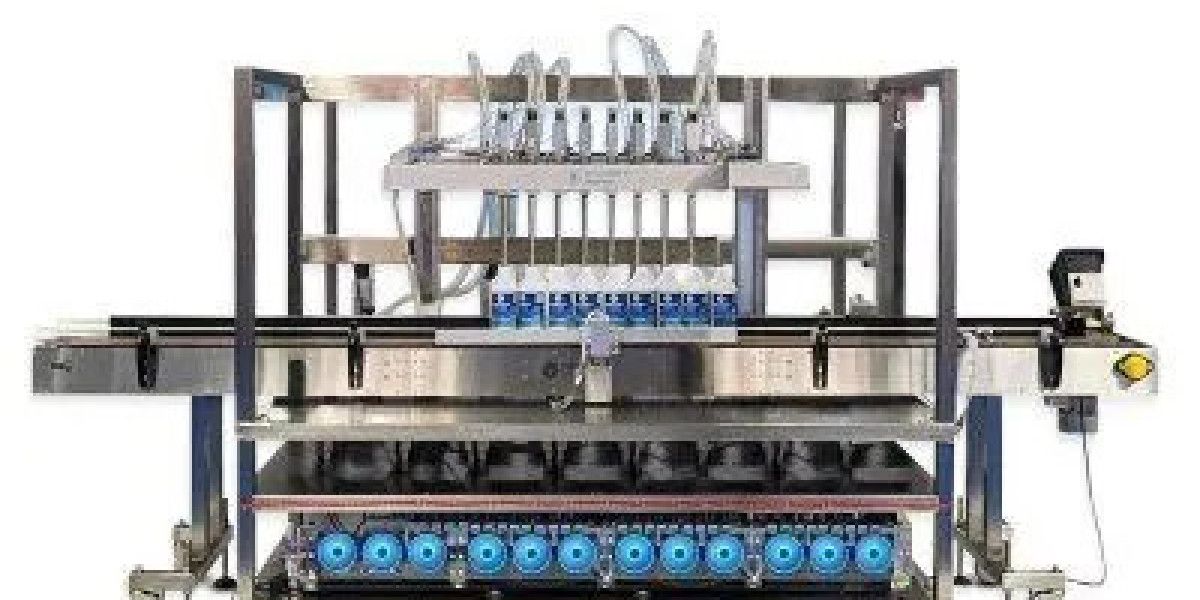

In today’s fast-paced manufacturing environment, efficiency is paramount. Businesses in the food, beverage, pharmaceutical, cosmetic, and chemical industries continually seek ways to streamline production while maintaining quality. One of the most effective solutions to enhance operational efficiency is the use of liquid fillers. These machines are designed to accurately and consistently fill liquids into containers, reducing labor costs, minimizing waste, and increasing overall productivity.
What is a Liquid Filler?
A liquid filler is a specialized machine used to dispense liquids into containers such as bottles, jars, or cans. These machines are widely used across industries for products like beverages, sauces, cosmetics, chemicals, and pharmaceuticals. Liquid fillers come in various types, including gravity fillers, piston fillers, pump fillers, and vacuum fillers, each suitable for different types of liquids and production requirements.
- Gravity Fillers: Ideal for low-viscosity liquids such as water, juices, or oils. They use gravity to fill containers, making them simple yet efficient.
- Piston Fillers: Suitable for thicker liquids like creams, syrups, or gels. They offer precise volume control and reduce product waste.
- Pump Fillers: Often used for high-volume production lines and can handle a wide range of liquid viscosities.
- Vacuum Fillers: Designed for foamy or delicate liquids, maintaining product quality while filling efficiently.
By automating the filling process, businesses can significantly reduce manual labor, ensure consistent output, and enhance production efficiency.
Key Ways Liquid Fillers Improve Production Efficiency
1. Speed and High Throughput
Manual filling is slow, inconsistent, and labor-intensive. Liquid fillers, on the other hand, are designed for speed. Modern liquid filling machines can handle hundreds or even thousands of bottles per hour, depending on the model and configuration. This high throughput ensures that businesses can meet large orders in shorter timeframes, enhancing overall productivity and reducing production bottlenecks.
2. Consistency and Accuracy
Consistency is critical in maintaining product quality and meeting regulatory standards. Manual filling often results in overfills or underfills, leading to waste and potential customer dissatisfaction. Liquid fillers provide precise and accurate measurement for every container, ensuring uniformity across the production line. This not only reduces product waste but also ensures compliance with packaging regulations, particularly in the pharmaceutical and food industries.
3. Reduced Labor Costs
By automating the filling process, businesses can significantly reduce reliance on manual labor. Fewer operators are required to manage the line, allowing staff to focus on other critical tasks such as quality control, packaging, or maintenance. Over time, this reduction in labor costs translates into substantial savings and contributes to a more efficient production system.
4. Minimized Product Waste
Wastage is a common problem in manual filling processes. Overfilling leads to product loss, while underfilling can cause customer complaints and non-compliance with industry regulations. Liquid fillers use advanced dispensing technology to minimize spillage, foam, and inaccurate fills. As a result, businesses can maximize product utilization and reduce costs associated with wasted material.
5. Flexibility for Different Products and Container Sizes
Modern liquid fillers are designed to handle multiple container sizes and types, from small vials to large bottles. Adjustable settings allow manufacturers to switch between products quickly, reducing downtime between production runs. This flexibility is essential for businesses producing multiple SKUs or seasonal products, as it allows them to adapt without compromising efficiency.
6. Enhanced Hygiene and Safety
In industries like food, beverages, and pharmaceuticals, hygiene is critical. Manual handling increases the risk of contamination. Liquid fillers reduce direct human contact with products, maintaining high hygiene standards and ensuring safe production. Many machines are constructed with stainless steel and feature easy-to-clean surfaces, further minimizing contamination risks and meeting stringent health regulations.
7. Integration with Other Production Systems
Liquid fillers can be seamlessly integrated into automated production lines, including capping, labeling, and packaging systems. This integration creates a smooth, continuous process where products move from filling to labeling and packaging without interruption. Automated systems reduce downtime, increase line efficiency, and support large-scale production requirements.
8. Improved Data Collection and Monitoring
Advanced liquid fillers often include digital controls and monitoring systems. Manufacturers can track production speed, fill accuracy, and machine performance in real time. This data allows for informed decision-making, timely maintenance, and proactive problem-solving, all of which contribute to enhanced production efficiency.
Choosing the Right Liquid Filler
Selecting the appropriate liquid filler for your production line is crucial for maximizing efficiency. Consider the following factors:
- Type of Liquid: Determine the viscosity and properties of your product. Thick liquids require piston fillers, while thin liquids may be suited for gravity or pump fillers.
- Production Volume: High-volume operations benefit from fully automated fillers, while smaller businesses may opt for semi-automatic machines.
- Container Type and Size: Ensure the machine can handle your packaging requirements without frequent adjustments.
- Sanitation Requirements: Industries with strict hygiene regulations should choose fillers made from stainless steel and designed for easy cleaning.
- Budget: Balance the cost of the machine with expected efficiency gains and long-term savings.
Conclusion
Liquid fillers are indispensable tools for modern manufacturing. By automating the filling process, businesses can achieve faster production speeds, consistent product quality, reduced labor costs, minimized waste, and enhanced hygiene standards. These benefits collectively lead to improved production efficiency, allowing companies to remain competitive in fast-moving industries.
Investing in the right liquid filler is not just about automation—it’s about optimizing your production line, ensuring precision, and supporting sustainable growth. Whether you are a small business or a large-scale manufacturer, liquid fillers can transform the way you operate, making your production process faster, cleaner, and more efficient.
Ubicación del Autor
Unit 25/168-180 Victoria Rd, Marrickville NSW 2204, Australia