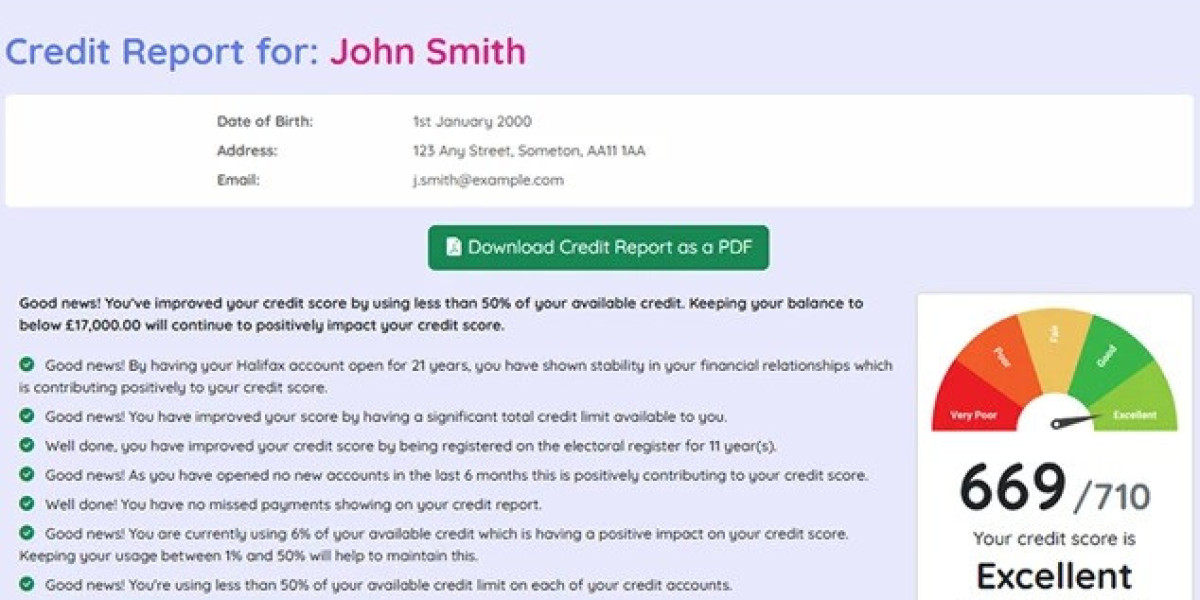

Your credit report history is more than just a number—it’s a detailed record of your financial behavior. Whether you’re applying for a loan, renting an apartment, or even seeking certain jobs, your credit report plays a key role in how others assess your financial reliability. That’s why knowing how to check credit report history regularly is essential for maintaining healthy financial standing and preventing unpleasant surprises.
In this guide, we’ll explore what a credit report history includes, why it matters, how to check it, and how to improve it over time.
What Is Credit Report History?
Your credit report history is a detailed summary of your borrowing and repayment behavior. It is maintained by credit bureaus and updated by banks, lenders, and financial institutions. This history helps determine your creditworthiness and influences your credit score.
A typical credit report includes:
Personal identification details
Credit accounts (credit cards, loans, mortgages)
Payment history
Outstanding balances
Credit inquiries
Public records (bankruptcies, collections, etc.)
Every financial action you take—paying bills on time, missing payments, applying for new credit—gets recorded. Over time, this creates your complete credit profile.
Why You Should Check Credit Report History Regularly
Many people only think about their credit report when applying for a loan. But checking your credit report history routinely offers several benefits:
Detect Errors Early
Mistakes on credit reports are more common than you might think. Incorrect balances, duplicated accounts, or wrongly reported late payments can hurt your score. Regular monitoring helps you catch and dispute these errors quickly.
Protect Yourself from Identity Theft
Fraudsters may open accounts in your name without your knowledge. Checking your report helps you identify suspicious activity before it causes serious damage.
Understand Your Credit Health
When you review your report, you gain insight into what factors are influencing your credit score. This allows you to make smarter financial decisions.
Prepare for Major Financial Goals
If you're planning to buy a home, car, or apply for a business loan, checking your credit report history beforehand gives you time to improve your profile if needed.
How to Check Credit Report History
Checking your credit report history is easier than ever. Here’s how you can do it step by step:
Request Reports from Credit Bureaus
Most countries have major credit bureaus that provide credit reports. You can request your report online through their official websites. Many bureaus offer free reports annually or monthly basic access.
Verify Your Identity
To access your report, you’ll need to verify your identity by providing personal details and answering security questions.
Review Each Section Carefully
Go through personal information, account listings, payment records, and inquiries. Ensure everything listed belongs to you and is accurate.
Save a Copy
Download or print your report so you can track changes over time and keep records of disputes if needed.
What to Look for in Your Credit Report
When you check your credit report history, pay close attention to:
Payment History
Late or missed payments negatively affect your score. Confirm that all reported payments match your records.
Credit Utilization
High balances compared to credit limits can lower your score. Aim to keep usage below 30% of available credit.
New Credit Inquiries
Too many hard inquiries in a short time may signal risk to lenders. Check for inquiries you didn’t authorize.
Closed or Duplicate Accounts
Ensure old accounts are marked correctly and no unknown accounts appear.
How to Improve Credit Report History
If your credit report history isn’t where you want it to be, don’t worry. You can take steps to improve it:
Pay Bills on Time
Consistent, on-time payments are the most powerful way to build positive credit history.
Reduce Outstanding Debt
Lowering balances improves credit utilization and boosts your score.
Avoid Unnecessary Credit Applications
Apply for new credit only when needed to reduce hard inquiries.
Dispute Errors Promptly
If you find mistakes, file a dispute with the credit bureau and provide supporting documents.
Keep Old Accounts Open
Length of credit history matters, so avoid closing old accounts unnecessarily.
How Often Should You Check Credit Report History?
Ideally, you should check your credit report history at least once every three to four months. If you’re actively improving your credit or preparing for a major financial decision, monthly checks can be helpful.
Conclusion
Your credit report history tells the story of your financial life. Knowing how to check credit report history regularly empowers you to protect yourself from fraud, correct errors, and build strong credit for future opportunities. With consistent monitoring and responsible financial habits, you can maintain a healthy credit profile and open doors to better financial options. Start checking your credit report today—because financial confidence begins with awareness.