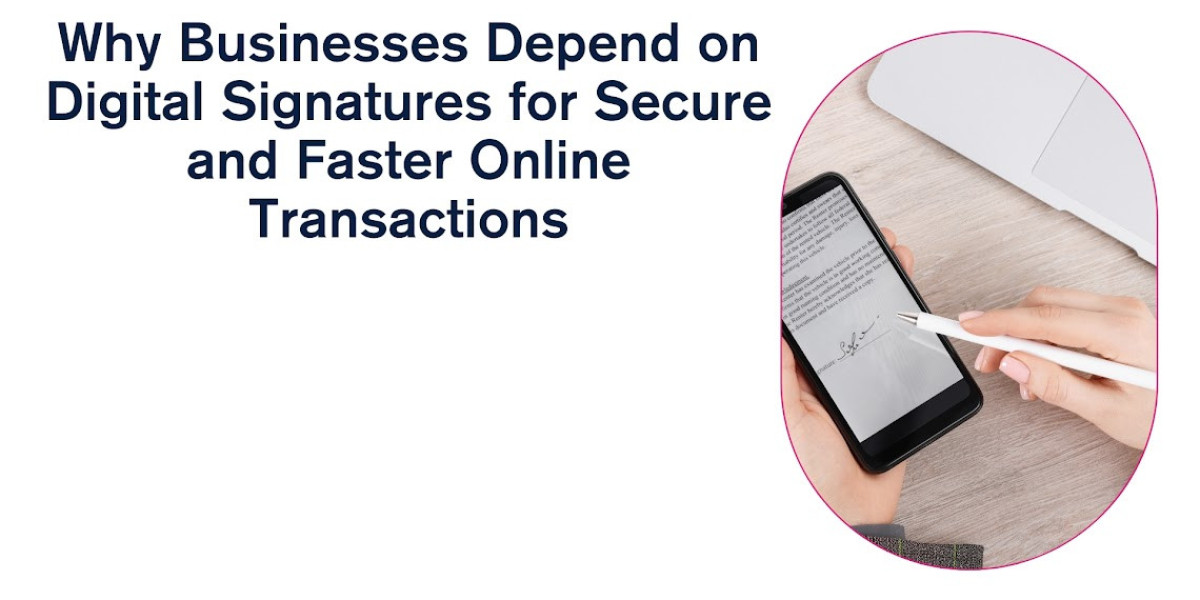

As businesses rapidly move toward digital-first operations, the need for secure, reliable, and legally compliant tools has become critical. From signing contracts to filing regulatory documents, organizations are replacing traditional paper-based processes with digital solutions. Among these tools, digital signature have emerged as a cornerstone of modern business operations.
Digital signatures go far beyond replacing handwritten signatures. They ensure identity verification, protect document integrity, and enable businesses to complete transactions quickly and securely. For startups, SMEs, and large enterprises alike, adopting digital signatures has become a business necessity rather than a technological upgrade.
This article explains why digital signatures are essential for today’s businesses, covering their legal standing, efficiency benefits, security strengths, industry applications, and how to select the right solution.
1. What Are Digital Signatures?
A digital signature is a secure electronic method used to authenticate the sender of a digital document and confirm that the content has not been altered. Unlike basic electronic signatures, digital signatures rely on cryptographic encryption, using a pair of public and private keys.
This technology ensures:
The signer’s identity is verified
The document remains unchanged after signing
The signature cannot be forged or reused
Because of these features, digital signatures offer a much higher level of trust and security compared to simple electronic approvals or scanned signatures.
2. Legal Recognition of Digital Signatures
One of the strongest reasons businesses rely on digital signatures is their legal acceptance worldwide. When issued and used according to prescribed standards, digital signatures carry the same legal weight as handwritten signatures.
Some key legal frameworks include:
India: Governed by the Information Technology Act, 2000
United States: Recognized under the ESIGN Act
European Union: Regulated by the eIDAS framework
Legal recognition reduces contractual disputes, strengthens enforceability, and provides businesses with confidence while executing agreements digitally.
3. Faster Operations and Improved Efficiency
Manual signing processes slow down business operations and introduce delays. Digital signatures eliminate these bottlenecks by allowing documents to be signed and approved within minutes.
Businesses benefit through:
Instant document execution
Faster approvals and deal closures
Seamless internal workflows
Anytime, anywhere signing
Easy storage and retrieval of documents
By reducing turnaround time, digital signatures help organizations operate with greater speed and agility.
4. Significant Cost Savings
Switching to digital signatures leads to measurable cost reductions. Businesses save money by eliminating expenses related to:
Printing and paper
Courier and logistics services
Physical document storage
Manual document handling
Additionally, digital signatures support eco-friendly practices by promoting a paperless work environment, aligning businesses with sustainability goals.
5. Advanced Security and Document Integrity
With rising cyber threats and data breaches, security has become a top priority. Digital signatures offer strong protection through advanced encryption and trusted certification mechanisms.
They ensure:
Authentication: Confirms the identity of the signer
Integrity: Detects any change made to the document after signing
Non-repudiation: Prevents denial of signature authenticity
Issued by licensed Certifying Authorities, digital signatures provide businesses with confidence that their sensitive documents are protected against tampering and fraud.
6. Ensuring Regulatory Compliance
Many industries operate under strict regulatory frameworks requiring secure handling of electronic records and personal data. Digital signatures help organizations meet compliance standards such as:
IT Act, 2000 (India)
GDPR (EU data protection)
HIPAA (healthcare compliance)
eIDAS regulations
ISO 27001 and SOC 2 standards
Using compliant digital signature solutions demonstrates strong governance, risk management, and data protection practices.
7. Digital Signature Use Cases Across Industries
Digital signatures are widely adopted across sectors due to their flexibility and reliability:
Finance: Loan agreements, KYC forms, account opening, audits
Healthcare: Patient consent forms, medical records, insurance claims
Legal: Contracts, affidavits, NDAs, court submissions
Real Estate: Lease deeds, sale agreements, disclosures
E-commerce: Vendor agreements, invoices, customer approvals
Government: E-tenders, licenses, permits, compliance filings
Education: Admissions, certificates, HR documentation
Across industries, digital signatures increase transparency, traceability, and trust.
8. Enabling Remote and Hybrid Work Models
With remote and hybrid work becoming the norm, businesses need tools that support secure collaboration without physical presence. Digital signatures allow teams, clients, and partners to complete transactions from anywhere.
They support:
Remote onboarding and hiring
Cross-border partnerships
Cloud-based workflows
Global vendor and supply chain operations
This flexibility helps organizations remain productive and connected regardless of location.
9. Enhancing Customer Trust and Experience
Modern customers expect quick and secure digital interactions. Digital signatures improve customer satisfaction by offering:
Faster processing of agreements
Mobile-friendly signing experiences
Clear audit trails
Higher confidence in data security
Businesses that adopt digital signatures project a professional, tech-forward image that builds long-term customer trust.
10. How to Choose the Right Digital Signature Solution
When selecting a digital signature provider, businesses should evaluate:
Compliance with national and international laws
Strength of encryption and security features
Ease of use and interface design
Compatibility with existing systems (CRM, ERP, HR tools)
Scalability for future growth
Credibility of the Certifying Authority
Well-known digital signature providers include eMudhra, Sify, DocuSign, Adobe Sign, and Zoho Sign.
11. The Future of Digital Signatures
As digital transformation accelerates, digital signatures will continue to evolve. Emerging trends include:
Blockchain-enabled signing for enhanced trust
AI-based identity verification
Biometric authentication
Smart contracts integrated with digital signatures
Businesses that adopt digital signatures today are better prepared for the secure, automated, and connected digital future.
12. How to Apply for a Digital Signature Online
Step 1: Visit the official website
Step 2: Fill in your details
Select user type (individual or organization)
Choose certificate type (signing or signing + encryption)
Select the validity period
Enter personal and contact information
Accept terms and conditions
Step 3: Choose the SB token option
Select whether you already have a token or need a new one
Step 4: Make payment
Pay via net banking, debit card, credit card, or UPI
Step 5: Review and submit
Verify all details and submit the application
Step 6: Receive your digital signature
The Digital Signature Certificate will be issued on a USB token after verification
Suggested read:- Digital Signature Certificate for Income Tax
Conclusion
Digital signatures have become an essential component of modern business operations. They improve speed, reduce costs, strengthen security, ensure legal compliance, and enhance customer experience. In a digital-first economy, relying on manual or insecure signing methods puts businesses at a competitive disadvantage.
Whether you are a startup, MSME, or large enterprise, adopting a legally valid and secure digital signature solution is a strategic move toward efficiency, trust, and long-term success. The sooner businesses embrace digital signatures, the better positioned they are to thrive in the digital age.