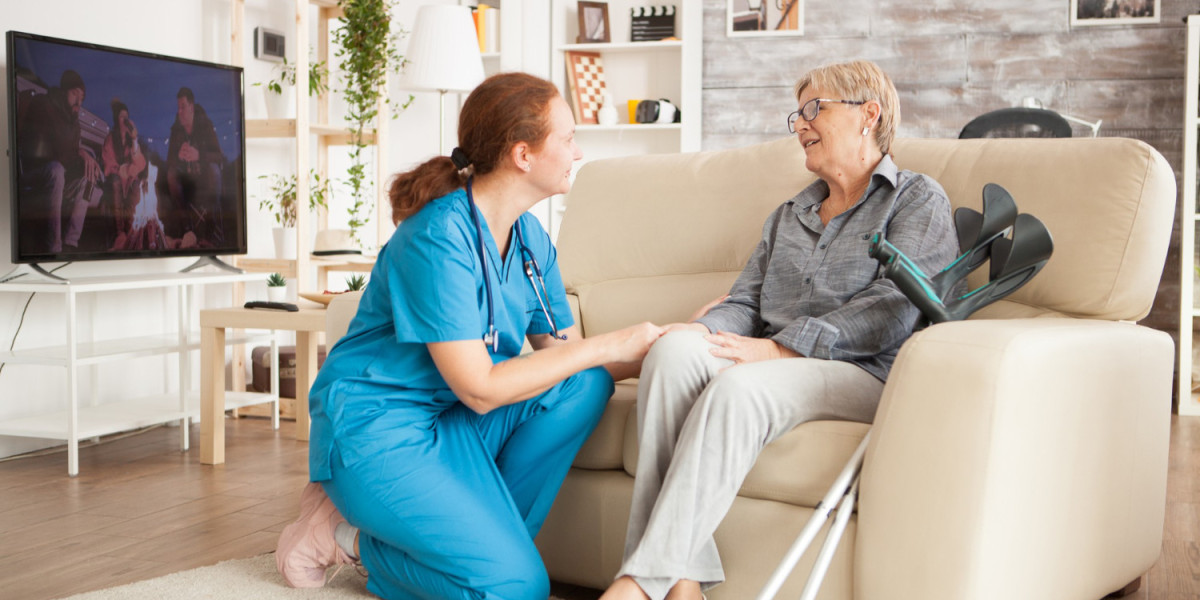

Home-based nursing has become an increasingly popular healthcare option as more patients and families seek personalized, convenient, and compassionate care. Rather than receiving treatment in hospitals or long-term care facilities, patients can now benefit from professional medical services in the comfort of their own homes. This approach not only supports physical recovery but also enhances emotional well-being, independence, and overall quality of life. By prioritizing patient-centered care, home-based nursing plays a vital role in improving comfort, safety, and satisfaction throughout the healthcare journey.
Understanding Home-Based Nursing
Home-based nursing involves trained healthcare professionals providing medical and supportive care in a patient’s home. These services may include wound care, medication management, chronic disease monitoring, rehabilitation, post-surgical recovery, and palliative support. Unlike traditional hospital care, home-based nursing focuses on individualized attention and continuity of care tailored to each patient’s specific needs.
By delivering care in a familiar environment, home-based nursing reduces stress and anxiety often associated with hospital stays. Patients can maintain their daily routines, stay connected with family, and feel more in control of their health, which contributes significantly to comfort and recovery.
Enhanced Emotional Well-Being and Mental Comfort
One of the most impactful benefits of home-based nursing is the positive effect on emotional and mental health. Being at home provides a sense of security, familiarity, and peace that institutional settings often lack. Patients are surrounded by personal belongings, loved ones, and familiar surroundings, which can reduce feelings of isolation, fear, and depression.
For elderly individuals or patients with chronic conditions, remaining at home supports emotional stability and preserves dignity. This comfort encourages cooperation with treatment plans, improves motivation, and fosters a more optimistic outlook on recovery.
Personalized Care Tailored to Individual Needs
Home-based nursing allows healthcare providers to deliver highly personalized care that adapts to each patient’s medical condition, lifestyle, and preferences. Nurses can closely monitor progress, adjust treatment plans, and respond quickly to changes in health status.
This individualized attention ensures that patients receive the right level of care without unnecessary interventions. With fewer patients to attend to compared to hospital environments, nurses can dedicate more time to addressing concerns, educating families, and ensuring that patients feel heard, supported, and comfortable.
Reduced Risk of Infections and Hospital-Related Stress
Hospitals, while essential, expose patients to a higher risk of infections due to the presence of multiple patients and invasive procedures. Home-based nursing minimizes this risk by limiting exposure to pathogens and maintaining a cleaner, more controlled environment.
In addition, avoiding hospital stays reduces stress caused by unfamiliar routines, noise, and constant medical interruptions. Patients experience fewer disruptions to sleep and daily activities, contributing to better rest, faster healing, and improved comfort throughout the recovery process.
Promoting Independence and Preserving Dignity
Home-based nursing supports patient independence by encouraging individuals to participate in their daily activities to the extent possible. Rather than feeling dependent on institutional care, patients can maintain a sense of autonomy, which is essential for emotional health and self-esteem.
By receiving care at home, patients preserve their privacy and dignity. They can make choices about their routines, meals, and personal activities, reinforcing a feeling of normalcy and control that significantly enhances comfort and life satisfaction.
Stronger Family Involvement and Support
Another key advantage of home-based nursing is the opportunity for family members to play an active role in patient care. Loved ones can observe treatments, assist with daily activities, and provide emotional support, creating a collaborative care environment.
Nurses also educate family members on proper caregiving techniques, medication administration, and symptom monitoring. This empowerment strengthens family bonds, reduces caregiver stress, and ensures that patients feel supported by a familiar and trusted network, further improving comfort and reassurance.
Better Management of Chronic Conditions
Patients with chronic illnesses such as diabetes, heart disease, respiratory disorders, or neurological conditions often require ongoing monitoring and support. Home-based nursing offers consistent, long-term care that helps manage symptoms, prevent complications, and reduce hospital readmissions.
Regular home visits enable nurses to track health indicators, adjust medications, and reinforce healthy habits. This continuity of care promotes stability, prevents sudden health declines, and provides patients with the comfort of knowing that professional help is readily available.
Faster Recovery and Improved Health Outcomes
Recovery often progresses more effectively in a comfortable and supportive home environment. Patients tend to follow treatment plans more closely when they feel relaxed, safe, and understood. Reduced stress, better sleep, and personalized attention contribute to quicker healing and improved overall outcomes.
Home-based nursing also encourages early mobility, proper nutrition, and active participation in rehabilitation activities. These factors play a crucial role in restoring physical function and enhancing long-term health.
Cost-Effective Care Without Compromising Quality
Home-based nursing can be a cost-effective alternative to prolonged hospital stays or residential care facilities. By reducing the need for inpatient services, patients and families can manage healthcare expenses more efficiently while still receiving high-quality medical attention.
Lower costs also make ongoing care more accessible, ensuring that patients continue to receive necessary support without financial strain. This affordability contributes to peace of mind, which is an important aspect of patient comfort and overall well-being.
Improved Communication and Continuity of Care
Effective communication is essential for successful healthcare outcomes. Home-based nursing fosters stronger relationships between patients, nurses, and families, leading to clearer communication and better coordination of care.
Nurses can provide detailed explanations about treatment plans, answer questions in real time, and ensure that patients fully understand their medications and health goals. This transparency builds trust, reduces uncertainty, and enhances comfort by making patients feel informed and involved in their care decisions.
Supporting End-of-Life and Palliative Care at Home
For patients with life-limiting illnesses, home-based nursing offers compassionate palliative and end-of-life care in a familiar and comforting setting. This approach focuses on pain management, emotional support, and preserving dignity during the final stages of life.
Families can spend meaningful time together without the constraints of hospital visiting hours, creating a peaceful environment that honors the patient's wishes. Home-based care during this time provides comfort not only to patients but also to their loved ones.
The Role of Nursing Care at Home in Patient Comfort
The concept of Nursing care at home reflects a patient-centered approach that prioritizes comfort, safety, and individualized attention. By integrating professional medical expertise with the warmth and familiarity of home, this model ensures that patients receive holistic care that addresses both physical and emotional needs.
Through personalized treatment plans, continuous monitoring, and compassionate support, home-based nursing transforms the healthcare experience into one that is more humane, empowering, and comforting.
Conclusion
Home-based nursing is revolutionizing the way healthcare is delivered by placing patient comfort at the center of care. From enhanced emotional well-being and personalized treatment to reduced infection risks and improved recovery outcomes, the benefits are extensive and meaningful
By allowing patients to heal in a familiar environment, supported by skilled nurses and loved ones, home-based nursing promotes dignity, independence, and peace of mind. As healthcare continues to evolve, this approach will remain a vital solution for improving patient comfort, satisfaction, and overall quality of life.
Ubicación del Autor
607 SW Grady way, suite 110,Renton WA 98057 united state