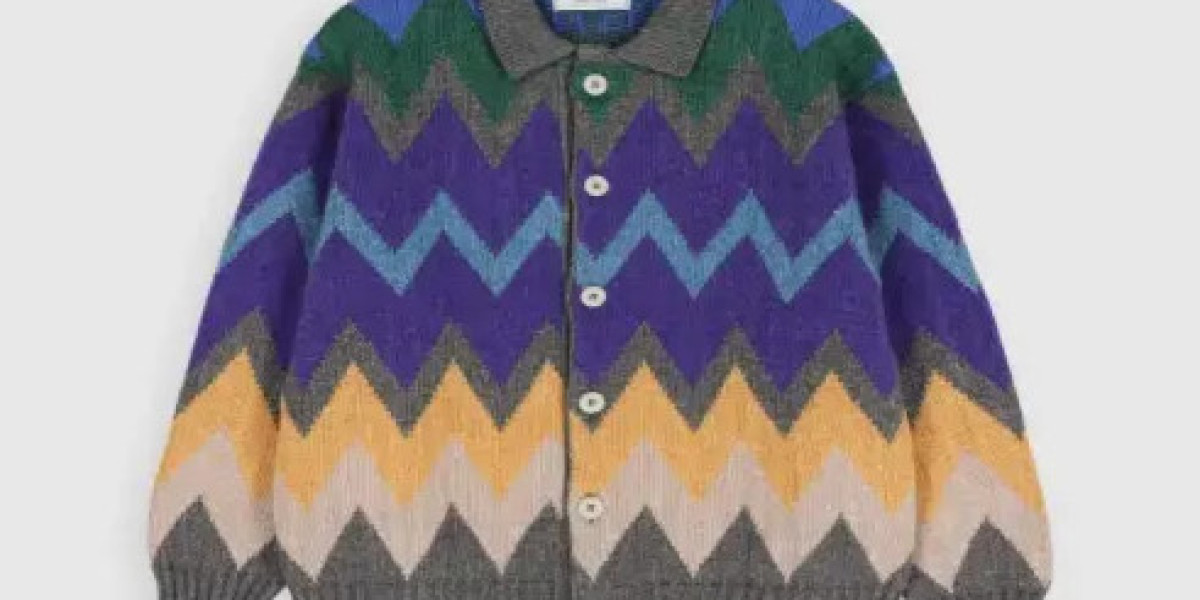

Introduction: A Brand Beyond Fashion
When one thinks of avant-garde fashion, Comme Des Garçons immediately comes to mind. Founded in 1969 by designer Rei Kawakubo, the brand has consistently challenged the conventions of style, beauty, and gender norms. Unlike traditional fashion labels that follow seasonal trends, Comme Des Garçons operates as a visionary force, creating garments that are as much artistic statements as they are clothing. Its ethos reflects a philosophy that fashion can provoke thought, disrupt expectations, and redefine the way people perceive their bodies and identities.
Origins: Rei Kawakubo’s Radical Beginnings
Rei Kawakubo, born in Tokyo in 1942, began her career studying literature and art before pivoting to fashion. Her early work reflected a blend of intellectual rigor and aesthetic experimentation, which would later become the hallmark of Comme Des Garçons. The brand’s name, translating from French as “Like Boys,” signaled its early fascination with challenging traditional femininity and gendered clothing. In 1973, Kawakubo presented her first collection in Tokyo, introducing designs that blurred the line between male and female attire.
The move to Paris in 1981 marked a pivotal moment. Kawakubo’s debut at Paris Fashion Week stunned audiences with its unconventional silhouettes, raw edges, and a deliberate rejection of the beauty standards prevalent in Western fashion. Critics were divided—some called it shocking and ugly, others praised it as revolutionary. This polarity became a defining feature of the brand: fashion that provokes dialogue.
Design Philosophy: Deconstruction and Minimalism
At the core of Comme Des Garçons is a design philosophy that emphasizes deconstruction, asymmetry, and experimentation. Kawakubo’s creations often feature unfinished hems, unexpected cuts, and exaggerated proportions that challenge traditional notions of beauty. This approach is known as deconstructivism, a movement in fashion that seeks to expose the construction of garments rather than disguise it.
Minimalism and stark color palettes—especially black, white, and muted tones—dominate the brand’s aesthetic. However, in contrast, certain lines like Play Comme Des Garçons embrace playful graphics and bold heart motifs, demonstrating Kawakubo’s versatility. By juxtaposing severe minimalism with whimsical elements, the brand continually redefines its own boundaries.
Notable Collections and Innovations
Several collections have solidified Comme Des Garçons as a force in global fashion:
1981 Paris Debut Collection – The first introduction to Western audiences, featuring oversized, padded silhouettes and monochromatic layering that defied the era’s feminine norms.
1997 ‘Body Meets Dress, Dress Meets Body’ – A radical reinterpretation of the human form, using padded shapes to exaggerate the body’s natural curves and create abstract forms.
2000s Collaboration Era – Partnering with artists, musicians, and brands, Comme Des Garçons expanded its reach beyond clothing, integrating performance art and conceptual design.
The brand’s experimental approach extends to its retail spaces as well. Flagship stores, such as Dover Street Market in London, New York, and Tokyo, are curated as art installations where the shopping experience mirrors the creativity of the collections.
Expansion and Sub-Labels
While the main line remains avant-garde and high-concept, Comme Des Garçons has diversified through multiple sub-labels:
Play Comme Des Garçons – Known for its iconic heart logo designed by Filip Pagowski, this line is more casual and accessible, appealing to streetwear enthusiasts.
Comme Des Garçons Homme – Focused on menswear, experimenting with traditional tailoring through a deconstructed lens.
Comme Des Garçons Noir – Emphasizes minimalist monochromatic aesthetics, often used in more formal or refined contexts.
These sub-lines allow the brand to maintain its avant-garde identity while reaching wider audiences.
Cultural Impact: Redefining Fashion Norms
Comme Des Garçons is more than a fashion label; it’s a cultural force. Kawakubo’s designs have challenged Western-centric ideas of beauty, championing the idea that fashion can be intellectually and emotionally engaging. By rejecting conventional elegance and embracing imperfection, the brand has inspired a generation of designers including Martin Margiela, Yohji Yamamoto, and Demna Gvasalia.
Moreover, the brand’s influence extends into music, film, and contemporary art. Celebrities, musicians, and artists frequently collaborate with Comme Des Garçons, making its pieces symbols of avant-garde sensibilities in popular culture. The brand’s approach encourages audiences to think critically about identity, gender, and self-expression through clothing.
Challenges and Controversies
Avant-garde fashion often invites scrutiny, and Comme Des Garçons has had its share of controversies. Early Paris shows were criticized for their “ugliness,” and some media outlets questioned whether Kawakubo’s work could even be classified as fashion. Additionally, the brand’s refusal to conform to commercial trends has posed business risks, requiring careful balancing of artistic vision and market sustainability. Despite these challenges, Kawakubo has maintained full creative control, cementing the brand’s reputation for uncompromising originality.
Legacy: A Brand That Transcends Time
Today, Comme Des Garçons is recognized as a pioneer of avant-garde fashion. Its legacy is rooted in a commitment to innovation, intellectual rigor, and challenging societal norms. Kawakubo herself has become an icon of creativity, earning numerous accolades including the Council of Fashion Designers of America (CFDA) International Award in 2013.
The brand continues to evolve, embracing collaborations with streetwear giants like Nike and exploring genderless fashion, ensuring that it remains at the forefront of cultural conversations. For fans and critics alike, Comme Des Garçons is not just a fashion label—it is a philosophy, a movement, and an enduring symbol of fearless creativity.
Conclusion: More Than Clothing
In the world of fashion, few brands have had as profound an impact as Comme Des Garçons. From its roots in Tokyo to its global presence in fashion capitals, the label has continually pushed boundaries, challenged conventions, and redefined what clothing can communicate. Through deconstruction, conceptual innovation, and a fearless embrace of the unconventional, Comme Des Garçons has created not just garments, but a lens through which the world can reconsider beauty, identity, and art itself. For anyone seeking fashion that transcends mere aesthetics, Comme Des Garçons remains a timeless beacon of avant-garde ingenuity.