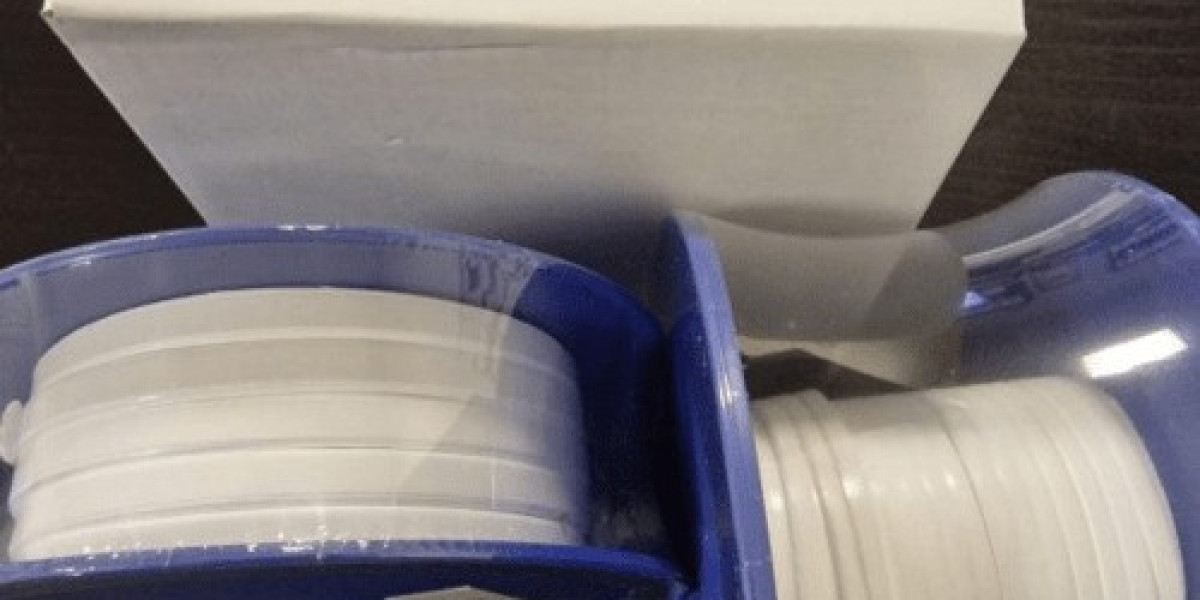

What are PTFE flange gaskets?
To begin with, PTFE flange gaskets are sealing components made from polytetrafluoroethylene. They are designed to fit between two flange faces, creating a tight seal that prevents fluid or gas from escaping.
These gaskets are typically cut from a PTFE flange sheet, which is available in different thicknesses and grades.
Because PTFE is non-reactive and flexible, it adapts well to even surfaces. As a result, it forms a reliable seal even under pressure.
Why PTFE Is Used for Flange Gaskets
Not all gasket materials perform well in harsh environments. Some degrade quickly when exposed to chemicals or heat.
However, PTFE stands out for several reasons.
Chemical Resistance
First, PTFE resists most chemicals. Therefore, it works well in systems that handle acids, solvents, or corrosive fluids.
Temperature Stability
In addition, PTFE can handle a wide range of temperatures. This makes it suitable for both hot and cold applications.
Non-Stick Surface
Because of its smooth surface, materials do not easily stick to it. This helps maintain a clean seal over time.
Flexibility
PTFE is soft enough to conform to flange surfaces. As a result, it fills small gaps and improves sealing performance.
Types of PTFE Flange Gaskets
There are several types of gaskets made from PTFE, each designed for specific applications.
Virgin PTFE Gaskets
These are made from pure PTFE without additives. They offer excellent chemical resistance and are often used in sensitive applications.
Filled PTFE Gaskets
These include materials like glass or carbon to improve strength. While they may sacrifice a bit of chemical resistance, they provide better mechanical performance.
Expanded PTFE Gaskets
Expanded PTFE has a more flexible structure. Because of this, it seals well on rough or irregular surfaces.
How PTFE Flange Sheets Are Used
A PTFE flange sheet serves as the base material for many gasket types.
First, the sheet is selected based on thickness and application needs.
Next, it is cut into the desired gasket shape. This can be done using standard tools or specialized equipment.
Finally, the gasket is installed between flange faces to create a seal.
From experience, having a few different sheet thicknesses on hand makes it easier to handle unexpected repairs.
Common Industrial Applications
PTFE flange gaskets are used in a wide range of industries.
Chemical Processing
In chemical plants, they are used to seal pipes and tanks. Because they resist corrosion, they last longer than many alternatives.
Food and Beverage
They are also used in food processing. The non-reactive surface helps maintain product purity.
Pharmaceutical Industry
In pharmaceutical systems, cleanliness is essential. PTFE gaskets help prevent contamination.
Oil and Gas
In this industry, equipment often faces extreme conditions. PTFE gaskets provide reliable sealing under pressure.
Benefits of Using PTFE Flange Gaskets
There are several advantages to choosing PTFE for flange sealing.
Reduced Leakage
Because PTFE conforms well to surfaces, it creates a tight seal. This reduces the risk of leaks.
Longer Lifespan
In addition, PTFE resists wear and chemical attack. As a result, it lasts longer than many other materials.
Low Maintenance
Since the material does not degrade easily, it requires less frequent replacement.
Versatility
PTFE works in a wide range of applications. Therefore, it simplifies material selection.
I remember working on a system where gasket failures were a regular issue. After switching to PTFE, the maintenance schedule became much easier to manage.
Installation Tips for Better Performance
Installing PTFE flange gaskets correctly is just as important as choosing the right material.
First, clean the flange surfaces thoroughly. Dirt or debris can affect the seal.
Next, align the gasket properly. Misalignment can lead to leaks.
Then, tighten bolts evenly. This ensures uniform pressure across the gasket.
Finally, avoid over-tightening. Too much force can damage the gasket.
Taking a few extra minutes during installation can prevent problems later.
Common Mistakes to Avoid
Even with high-quality materials, mistakes can happen.
One common mistake is using the wrong thickness. A gasket that is too thin or too thick may not seal properly.
Another issue is uneven bolt tightening. This can create gaps in the seal.
Also, reusing old gaskets is not recommended. Over time, they lose their effectiveness.
Avoiding these mistakes helps you get the best results from your PTFE gaskets.
Comparing PTFE with Other Gasket Materials
There are many gasket materials available, such as rubber, graphite, and metal.
Rubber gaskets are flexible but may not handle chemicals well. Graphite gaskets perform well at high temperatures but may not resist all chemicals.
On the other hand, PTFE offers a balanced combination of chemical resistance and flexibility.
Because of this, it is often chosen for applications where reliability matters.
A Practical Way to Look at It
If your system deals with aggressive fluids or varying temperatures, PTFE flange gaskets are a strong option.
They simplify sealing by handling a wide range of conditions.
At the same time, choosing the right type and installing it correctly ensures better performance.
Final Thoughts
PTFE flange gaskets play an important role in industrial sealing. Because they combine chemical resistance, flexibility, and durability, they perform well in demanding environments.
From chemical plants to food processing systems, their applications are wide-ranging. Once you start using them, it becomes clear why they are so widely trusted.
In the end, a good seal keeps systems safe and efficient. And when reliability is the goal, a PTFE flange sheet is often the right place to start.
Ubicación del Autor
Nueva York, Estados Unidos