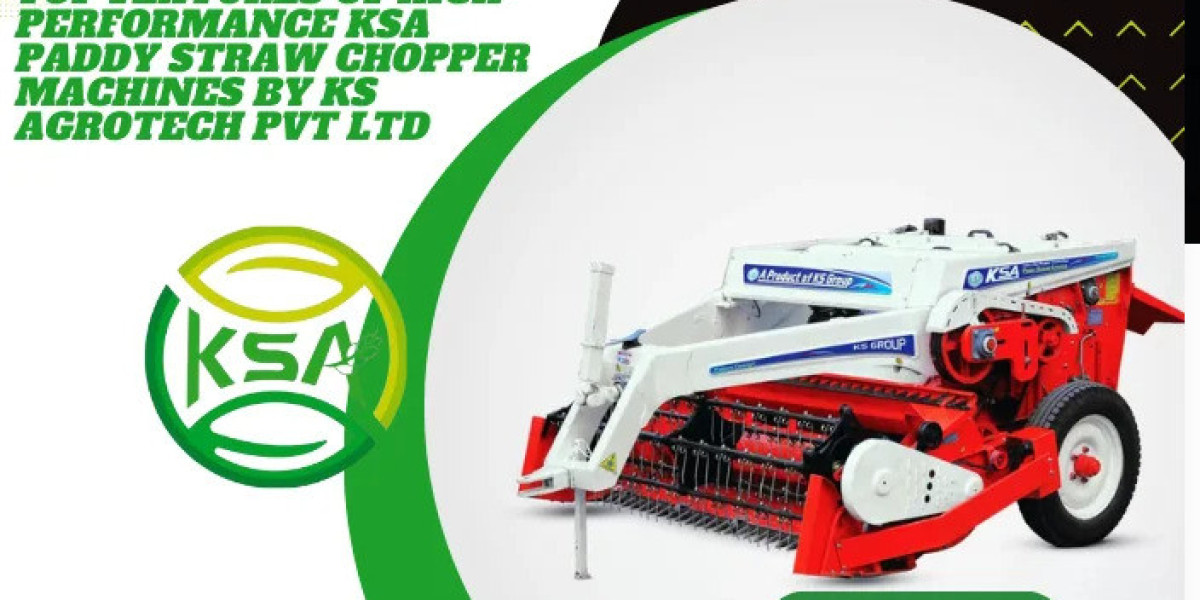

The shift toward modernized dairy farming has made the silage harvester machine an essential asset for livestock managers looking to optimize animal nutrition. As the demand for high-quality, fermented fodder grows, these machines provide the precision and speed necessary to capture crops like maize, sorghum, and alfalfa at their nutritional peak. By automating the cutting and chopping process, a harvester ensures that farmers can transition from standing crops to stored feed with minimal loss of energy and moisture.
Precision Engineering for Better Nutrition
The core value of a modern harvester lies in its chopping mechanism. Advanced blade systems are designed to create a uniform "chop length," which is critical for the fermentation process. When the fodder is cut to a consistent size, it can be packed more tightly in silos or pits, effectively removing oxygen and promoting the growth of beneficial lactic acid bacteria. This mechanical precision not only improves the shelf life of the silage but also enhances digestibility for the cattle, leading to increased milk production and overall better herd health.
Versatility Across Field Conditions
Whether using a tractor-mounted attachment or a self-propelled unit, today's harvesting technology is built to handle diverse terrains. Modern harvesters feature adjustable headers that can adapt to different row spacings and crop heights. This versatility allows farmers to maximize their harvest regardless of whether the soil is dry or slightly damp. Furthermore, the integration of robust blower systems ensures that the chopped material is efficiently loaded into accompanying trailers, reducing spillage and labor requirements.
Economic Efficiency and Sustainability
Investing in a silage harvester machine significantly reduces the timeframe required to clear a field. In an era where weather patterns are increasingly unpredictable, the ability to harvest an entire crop in a single day is a major tactical advantage. By streamlining the workflow and reducing the need for manual labor, farmers can lower their operational costs while ensuring their livestock have access to premium-grade fodder year-round. This technology represents the perfect intersection of agricultural productivity and long-term financial sustainability.