
What Is the Everest Base Camp Height?
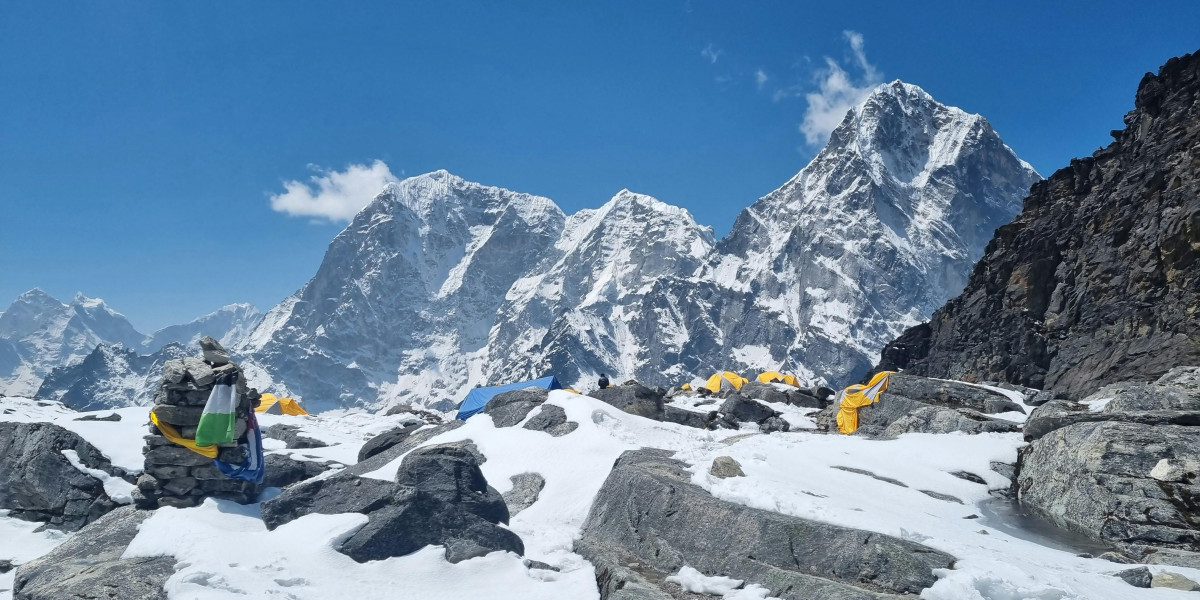
Everest Base Camp Trek takes you deep into the heart of the Khumbu region. The famous base camp sits at 5,364 meters (17,598 feet) above sea level. That is very high. At this height, the air has much less oxygen than at lower places. Your body needs time to adjust.
Many hikers think reaching base camp is only about walking. But the real challenge is the altitude. As you climb higher, every step feels slower. Breathing becomes harder. Even small hills can feel big. That is why learning about the height before you go is very important.
Useful Trek Statistics
The trek is not only about climbing high. It is also a long mountain journey.
Average trek length: 12 to 14 days
Total walking distance: about 130 kilometers round trip
Maximum elevation: 5,545 meters (18,192 feet) at Kala Patthar
Everest Base Camp height: 5,364 meters (17,598 feet)
Most trekkers visit base camp first and then climb Kala Patthar. From there, you get one of the best close views of Mount Everest.
Why Height Matters So Much
At sea level, your body gets plenty of oxygen. But high in the mountains, the air gets thinner. At Everest Base Camp, there is much less oxygen than most people are used to.
This can make you feel tired, weak, or short of breath. Some people may also get headaches or lose their appetite. This is called altitude sickness.
The good news is that most trekkers can avoid problems by walking slowly, drinking enough water, and resting when needed. The mountain is not a race. Slow steps often make the best journey.
How the Height Changes During the Trek
One of the exciting parts of the Everest trek is feeling the mountain rise around you each day.
Many trekkers begin with a flight to Lukla Airport at about 2,860 meters. From there, the trail climbs little by little.
Here is a simple look at common overnight stops:
- Lukla — 2,860 m
- Namche Bazaar — 3,440 m
- Tengboche — 3,860 m
- Dingboche — 4,410 m
- Lobuche — 4,940 m
- Gorak Shep — 5,164 m
- Everest Base Camp — 5,364 m
You can see the climb is steady. That is why good planning matters.
Rest Days Are Part of Success
Many first-time hikers think rest days slow them down. In fact, rest days help you reach the top.
Trekkers often spend an extra day in Namche Bazaar and Dingboche. These places help your body get used to the height.
On these days, hikers usually take short walks uphill and then return to sleep lower. This helps the body adapt naturally. It may feel simple, but it is one of the smartest parts of the trek.
What Makes the Trek Feel Special
The height is important, but the journey is much more than numbers.
The trail passes through forests of pine and rhododendron. You cross swinging bridges above fast rivers. Prayer flags move in the wind. Stone villages sit quietly below snowy peaks.
Along the way, you meet the warm and welcoming Sherpa people. Their mountain life, culture, and kindness make the journey even more meaningful.
Every day feels different. Some mornings are bright and sunny. Some afternoons bring clouds. But each turn of the trail brings something new.
How Amble Himalaya Helps Trekkers
At Amble Himalaya, helping travelers enjoy the Himalayas is more than work. It is something we truly care about.
Our team helps trekkers with trip planning, permits, transport, accommodation, and experienced local guides. We also explain how altitude works and how to prepare for it. For first-time hikers, this support makes a big difference.
A good guide does more than show the trail. A guide watches your pace, checks how you feel, and helps you walk safely. That kind of support gives many travelers confidence in the mountains.
Simple Tips for High Altitude
A few simple habits can make your trek easier.
Walk slowly.
Drink lots of water.
Eat warm meals.
Sleep well.
Listen to your body.
Do not ignore headaches or unusual tiredness.
The mountain will still be there tomorrow. Walking carefully is always the smarter choice.
Is Everest Base Camp Right for Beginners?
Yes, many beginners complete this trek every year.
You do not need climbing ropes or technical mountaineering skills. You only need reasonable fitness, steady walking, and patience.
The biggest challenge is not steep ground. It is the height. That is why good pacing matters more than speed.
If you prepare well, the trek can be a wonderful first Himalayan adventure.
The Reward at the End
Standing near Everest Base Camp feels hard to describe. You are surrounded by ice, rock, wind, and giant mountains. After days of walking, the moment feels quiet and powerful.
Many hikers remember not only the famous peak, but also the small moments—the sound of boots on the trail, hot tea after a long day, and sunrise over the mountains.
That is what makes this journey special.
The Everest Base Camp Height is more than a number. It is part of a bigger story about courage, patience, and discovery. At Amble Himalaya, we help travelers turn that dream into a real experience with expert planning, friendly guides, and local support. When the mountains call, sometimes the best answer is simply to start walking.