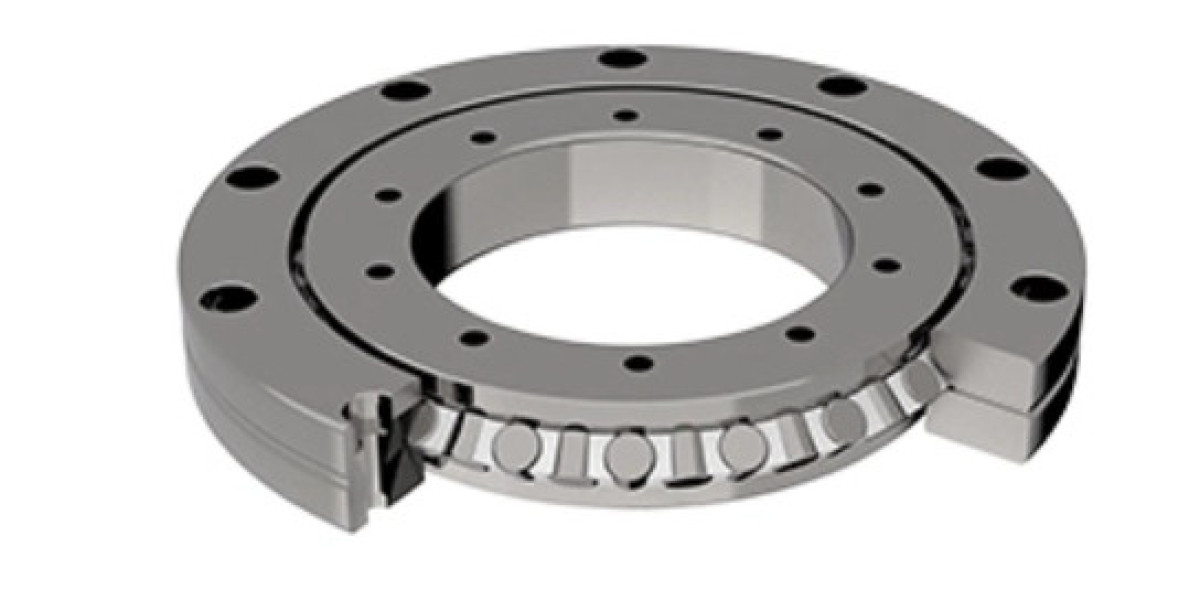

Precision equipment depends on stability, smooth rotation, and consistent positioning to maintain operational efficiency. Yet many industrial businesses continue facing robotic inaccuracies, CNC alignment problems, vibration, and repeated maintenance interruptions without identifying the real cause. In many cases, the issue starts with one critical component: the RU cross roller bearing.
For industries operating robotics, rotary tables, CNC systems, automation equipment, and precision manufacturing machinery, bearing performance directly affects machine reliability. Even minor instability can create positioning errors, defective products, and costly downtime.
If your business is dealing with reduced equipment precision, unexpected machine failures, or increasing maintenance expenses, understanding how the right RU cross roller bearing solves these problems may help prevent larger operational losses.
Why Bearing Problems Become Expensive in Precision Industries
Many businesses treat bearings as routine replacement parts instead of critical performance components.
When bearings fail under industrial stress, the effects quickly spread across operations. Equipment becomes unstable, production quality declines, and maintenance costs rise.
Common operational problems caused by poor bearing performance include:
- Reduced positioning accuracy
- Unexpected production downtime
- Increased machine vibration
- Frequent maintenance shutdowns
- Premature component wear
- Lower production efficiency
For B2B manufacturers, these issues often impact delivery schedules, customer satisfaction, and operational profitability.
The longer these failures continue, the more expensive recovery becomes.
What Is an RU Cross Roller Bearing?
An RU cross roller bearing is a high-precision bearing designed to support radial, axial, and moment loads simultaneously while maintaining rotational accuracy.
Unlike standard bearing systems, cylindrical rollers inside an RU cross roller bearing are arranged at right angles to one another. This structure distributes force evenly, improving rigidity and rotational precision.
One of the major advantages of RU-type bearings is their integrated inner and outer ring structure, which simplifies installation and improves alignment accuracy.
RU cross roller bearings are commonly used in:
- Industrial robots
- CNC rotary tables
- Precision positioning equipment
- Medical imaging systems
- Semiconductor manufacturing machinery
- Automation systems
Industries requiring high rigidity and accurate rotational control often depend on these bearings to maintain machine performance.
Common Machine Problems Caused by Poor RU Bearing Performance
Many industrial teams ignore early warning signs until equipment failure becomes severe.
Recognizing these issues earlier helps businesses reduce downtime and avoid larger repair expenses.
Positioning Inaccuracy
Precision matters in automation and CNC operations.
Poor bearing stability often affects movement accuracy, causing robotic systems or rotary tables to lose positioning consistency.
This can lead to defective output, wasted materials, and reduced production quality.
Excessive Machine Vibration
Increased vibration is a major sign of bearing instability.
If a bearing cannot distribute loads properly, surrounding machine components experience additional stress.
Over time, this increases wear and damages nearby systems.
For high-precision industries, vibration directly impacts operational performance.
Frequent Maintenance Interruptions
Repeated repairs often signal deeper bearing problems.
If maintenance teams constantly replace worn components, poor bearing selection or insufficient load support may be responsible.
Without solving the underlying issue, failures continue recurring.
Unexpected Downtime
Production delays caused by equipment failure become expensive quickly.
Machine shutdowns affect schedules, increase labor costs, and reduce productivity.
For industries operating continuous production lines, downtime creates significant financial pressure.
How the Right RU Cross Roller Bearing Solves Downtime Problems
Selecting the correct RU cross roller bearing helps improve machine reliability while reducing operational risks.
Improved Rotational Accuracy
RU bearings are designed for high-precision motion control.
Their internal roller arrangement improves rotational consistency and positioning stability.
This helps businesses maintain tighter tolerances and improve output quality.
Better Load Distribution
Industrial equipment often experiences combined radial, axial, and moment loads.
RU cross roller bearings efficiently distribute force across the bearing structure, reducing mechanical stress and improving stability.
Higher Rigidity for Stable Operation
Machine instability often reduces operational accuracy.
RU bearings offer excellent rigidity, helping equipment maintain smooth movement under demanding conditions.
This improves long-term reliability.
Reduced Maintenance Costs
Frequent repairs increase labor expenses and reduce productivity.
Durable bearing performance helps extend service intervals while minimizing emergency maintenance requirements.
For industrial businesses, predictable maintenance improves cost control.
How to Choose the Right RU Cross Roller Bearing
Not every bearing solution fits every application.
Industrial buyers should evaluate technical requirements carefully before purchasing.
Understand Load Conditions
Determine whether machinery experiences radial, axial, or combined loads.
Incorrect load matching increases wear and reduces bearing lifespan.
Consider Precision Requirements
Industries requiring accurate positioning should prioritize rotational consistency and rigidity.
Low-precision alternatives often reduce equipment efficiency.
Evaluate Environmental Conditions
Dust, contamination, temperature changes, and continuous operation affect performance.
Selecting durable bearing materials improves long-term reliability.
Focus on Long-Term Performance
The cheapest bearing option rarely delivers the best operational value.
Businesses should evaluate downtime reduction, maintenance savings, and production reliability instead of focusing only on purchase cost.
Why Industrial Buyers Are Prioritizing High-Precision Bearing Solutions
Modern industrial operations increasingly focus on prevention rather than reaction.
Reliable RU cross roller bearing performance helps businesses:
- Improve machine precision
- Reduce maintenance disruptions
- Lower operational risks
- Increase equipment lifespan
- Maintain production consistency
This proactive strategy helps manufacturers improve operational stability while reducing avoidable expenses.
Conclusion
Machine instability, positioning errors, vibration, and repeated downtime rarely happen without reason. In many precision-driven industries, poor bearing performance becomes the hidden cause of expensive operational problems. Choosing the right RU cross roller bearing helps improve load handling, rotational accuracy, and machine stability. Instead of repeatedly fixing preventable failures, businesses that invest in reliable bearing solutions often experience lower maintenance costs, improved production efficiency, and stronger long-term operational performance.