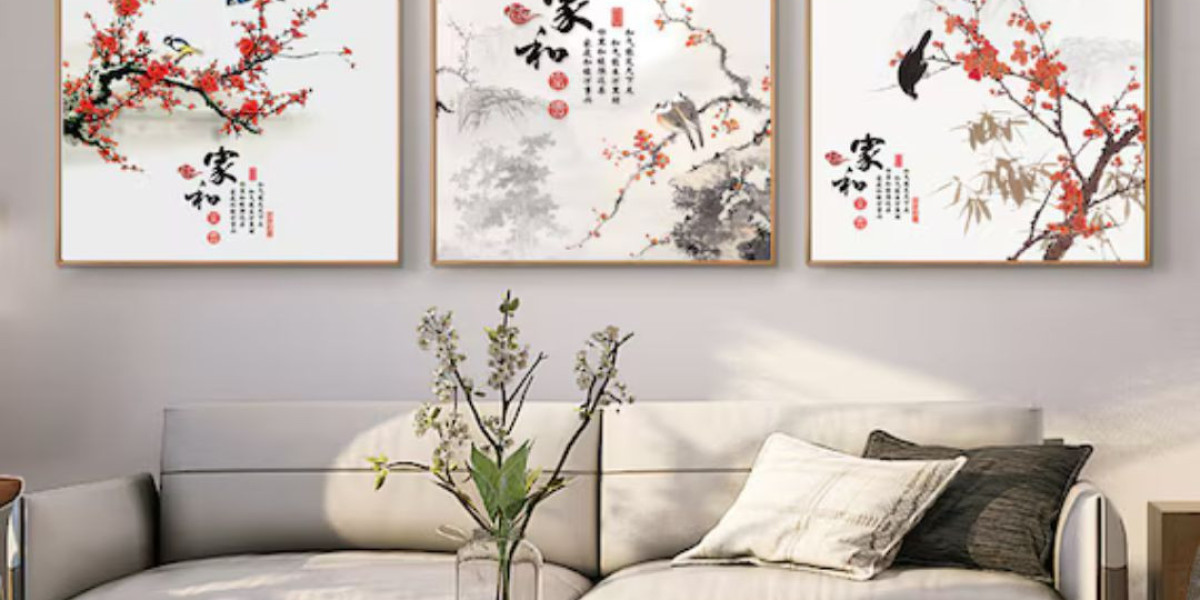

Chinese calligraphy artwork is more than just brush and ink—it’s the soul of Chinese visual expression, a meditative journey combining philosophy, history, and aesthetic refinement. At China Art Hub, we celebrate and preserve this timeless cultural treasure, offering enthusiasts and collectors access to authentic tools, insights, and educational resources.
This guide explores the essence of Chinese calligraphy artwork, types, significance, and how China Art Hub connects you with the roots of this majestic tradition.
What is Chinese Calligraphy Artwork?
Chinese calligraphy is the stylized artistic writing of Chinese characters. It is a traditional form that emphasizes not just legibility but expression, rhythm, and energy.
Key Elements Include:
Brushwork: Flow, pressure, and speed define the visual character.
Stroke Order: Each character follows a sequence to maintain aesthetic balance.
Ink and Paper: Materials impact the overall style and depth.
Historical Context
Chinese calligraphy dates back to the Shang Dynasty (1600–1046 BCE). Over centuries, it evolved into various styles reflecting dynastic shifts and philosophical trends.
Major Historical Eras:
| Era | Calligraphy Style | Cultural Influence |
|---|---|---|
| Qin Dynasty | Seal Script (Zhuanshu) | Used for imperial seals and decrees |
| Han Dynasty | Clerical Script (Lishu) | Simplified strokes for legibility |
| Tang Dynasty | Standard Script (Kaishu) | Artistic peak; widely taught |
| Song Dynasty | Running Script (Xingshu) | Fluidity and personal expression |
| Yuan to Qing | Cursive Script (Caoshu) | Spontaneous, emotionally rich |
Types of Chinese Calligraphy Artwork
Understanding the variations in Chinese calligraphy is essential to appreciating its artistic depth.
1. Seal Script (篆书 Zhuànshū):
Oldest style, mostly used in inscriptions
Geometric and pictorial structure
2. Clerical Script (隶书 Lìshū):
Squared strokes and clear readability
Popular among scholars during Han dynasty
3. Standard Script (楷书 Kǎishū):
Balanced, orderly, ideal for beginners
Still taught in contemporary art schools
4. Running Script (行书 Xíngshū):
Semi-cursive, elegant flow
Allows personal flair while retaining structure
5. Cursive Script (草书 Cǎoshū):
Highly expressive and fast-paced
Often considered the ‘jazz’ of calligraphy
Materials Used in Traditional Chinese Calligraphy
China Art Hub proudly curates authentic materials that remain true to classical practices.
| Material | Function |
|---|---|
| Brush (毛笔) | Made from animal hair, essential for stroke control |
| Ink Stick (墨) | Made from soot, ground on an inkstone |
| Inkstone (砚) | Surface for ink preparation |
| Rice Paper (宣纸) | Absorbent, perfect for capturing brush fluidity |
Why Chinese Calligraphy Artwork Matters Today
Cultural Identity: Embodies thousands of years of Chinese philosophy and ethics.
Mindfulness Practice: Often used as a meditative art form.
Educational Value: Teaches patience, discipline, and history.
Interactive Tips for Beginners
Start with Kaishu (Standard Script): It's the most readable and foundational.
Practice Stroke Order: It’s essential for form and fluidity.
Study Masterpieces: Emulate works by Wang Xizhi, Yan Zhenqing, or Ouyang Xun.
Use Proper Tools: China Art Hub’s collection includes beginner and professional kits.
Frequently Asked Questions (FAQs)
Q1. Is Chinese calligraphy the same as handwriting?
No. Calligraphy is an art form focused on expression, while handwriting is primarily utilitarian.
Q2. How long does it take to master calligraphy?
Mastery can take years. However, foundational strokes and understanding can be gained in a few months with consistent practice.
Q3. Can I learn Chinese calligraphy without knowing Chinese?
Yes. Many students begin by learning stroke patterns and visual aesthetics before understanding character meanings.
Q4. Are digital tools allowed in modern calligraphy learning?
While traditional methods are preferred, digital pads can help beginners practice without wasting materials.
Expert Insight
Many artists argue that calligraphy bridges visual art and poetic expression. When a calligrapher writes, the brush becomes an extension of their thoughts, feelings, and energy (known as qi). That’s why every piece is unique—even when writing the same character.
Final Thought
Chinese calligraphy artwork is more than an art—it’s a living tradition. Whether you're a collector, a learner, or simply curious, China Art Hub provides the gateway to explore, practice, and honor this remarkable cultural heritage. Embrace the brush, feel the rhythm, and let each stroke tell your story.