
Successful teams are not built by chance. They are developed intentionally through shared experiences, trust, and clear communication. Team development focuses on strengthening how people work together, not just what they produce. When individuals feel aligned, motivated, and connected, performance improves naturally.
Rather than relying solely on meetings or policies, effective team development engages people on a human level. It encourages collaboration, emotional awareness, and shared purpose—elements that transform groups into high-performing teams.
Moving Beyond Traditional Team-Building Approaches
Many organizations rely on conventional activities that focus on surface-level interaction. While these can be enjoyable, they often fail to create lasting change.
True team development goes deeper. It creates experiences where participants actively listen, respond, and contribute together. When people are fully engaged in a shared activity, barriers break down and authentic connections form. This deeper engagement leads to stronger alignment and trust.
The Power of Shared Rhythm and Collective Energy
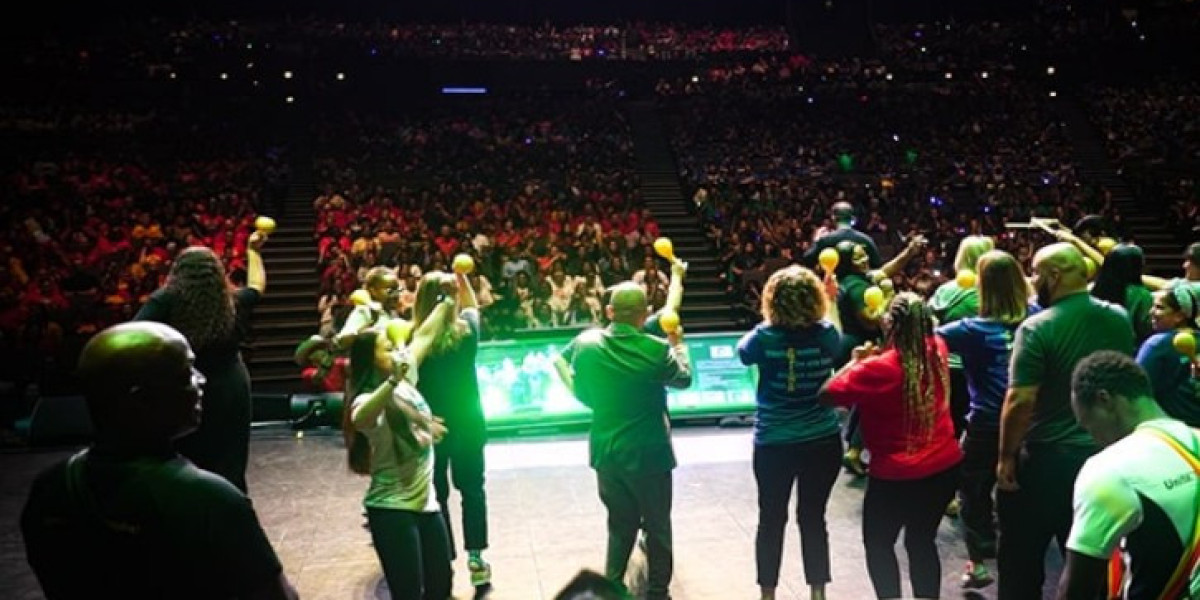
One of the most effective ways to develop teams is through interactive, rhythm-based experiences. When individuals participate in coordinated drumming activities, they experience unity in a powerful, physical way.
Rhythm creates instant connection. Participants must listen closely, stay present, and respond to one another in real time. This shared focus builds awareness and cooperation without the need for complex instructions or hierarchy.
Through rhythm, teams experience what alignment truly feels like—everyone contributing to a single, unified outcome.
How Experiential Activities Strengthen Team Development
Experiential learning plays a key role in lasting development. Instead of being told how to collaborate, teams experience it firsthand.
Interactive drumming sessions place everyone on equal footing. There are no titles, no departments, and no expectations—only participation. This environment encourages openness, creativity, and mutual respect.
As participants synchronize their rhythms, they naturally practice skills essential to team development, such as listening, adaptability, and shared responsibility.
Building Trust Through Non-Verbal Communication
Communication is not limited to words. Teams often struggle because of unspoken tension, assumptions, or lack of awareness.
Drumming experiences emphasize non-verbal communication. Participants rely on cues, timing, and group awareness rather than instructions. This develops sensitivity to group dynamics and strengthens trust.
When teams learn to respond to one another without overthinking, collaboration becomes smoother and more intuitive in everyday work.
Encouraging Inclusion and Equal Participation
Effective team development requires inclusion. Every individual must feel valued and heard.
Interactive rhythm activities naturally promote inclusion because everyone contributes sound to the group. There is no right or wrong beat—only participation. This removes fear of judgment and encourages confidence.
As people experience being seen and heard equally, psychological safety increases. Teams become more open, supportive, and collaborative.
Aligning Teams Around Shared Purpose
Alignment is one of the most important outcomes of team development. When people move in different directions, progress slows.
Rhythm-based experiences provide a powerful metaphor for alignment. Each participant has a role, but success depends on staying connected to the group rhythm. If one person changes pace, the entire group feels it.
This shared awareness reinforces the importance of working toward common goals while respecting individual contributions.
Boosting Motivation Through Collective Achievement
Motivation often increases when people feel part of something bigger than themselves.
As a group creates rhythm together, participants experience collective achievement. The energy builds, confidence grows, and momentum forms naturally. This emotional uplift carries into the workplace, strengthening morale and engagement.
Team development thrives when motivation comes from connection rather than pressure.
Strengthening Leadership and Followership
Strong teams require both leadership and followership. Everyone must know when to guide and when to support.
In interactive drumming sessions, leadership shifts organically. One person may set a rhythm, while others follow, adapt, or enhance it. These roles change fluidly, helping participants experience leadership as a shared responsibility.
This dynamic reinforces flexibility, respect, and cooperation—essential qualities in effective teams.
Making Team Development a Lasting Practice
The most impactful team development experiences leave a lasting impression. Participants remember how it felt to be aligned, energized, and connected.
These memories influence future interactions, encouraging better listening, cooperation, and empathy. Teams that experience meaningful development are more resilient, adaptable, and engaged over time.
Rather than being a one-time event, experiential development becomes a reference point for healthier teamwork.
Why Experiential Team Development Works So Well
Traditional training often targets logic, while experiential activities engage emotion and awareness.
Rhythm-based team development reaches people on multiple levels—physical, emotional, and social. This multi-layered engagement makes the experience memorable and impactful.
When teams feel connection rather than just understand it, real change happens.
Final Thoughts
Team development is not about fixing problems; it is about unlocking potential. When people feel aligned, motivated, and connected, teams naturally perform at a higher level.
Interactive drumming experiences offer a powerful way to unite teams, strengthen communication, and build trust. By engaging participants in shared rhythm and collective energy, teams transform from individuals working together into cohesive, motivated units.
Ubicación del Autor
United States minor outlying islands