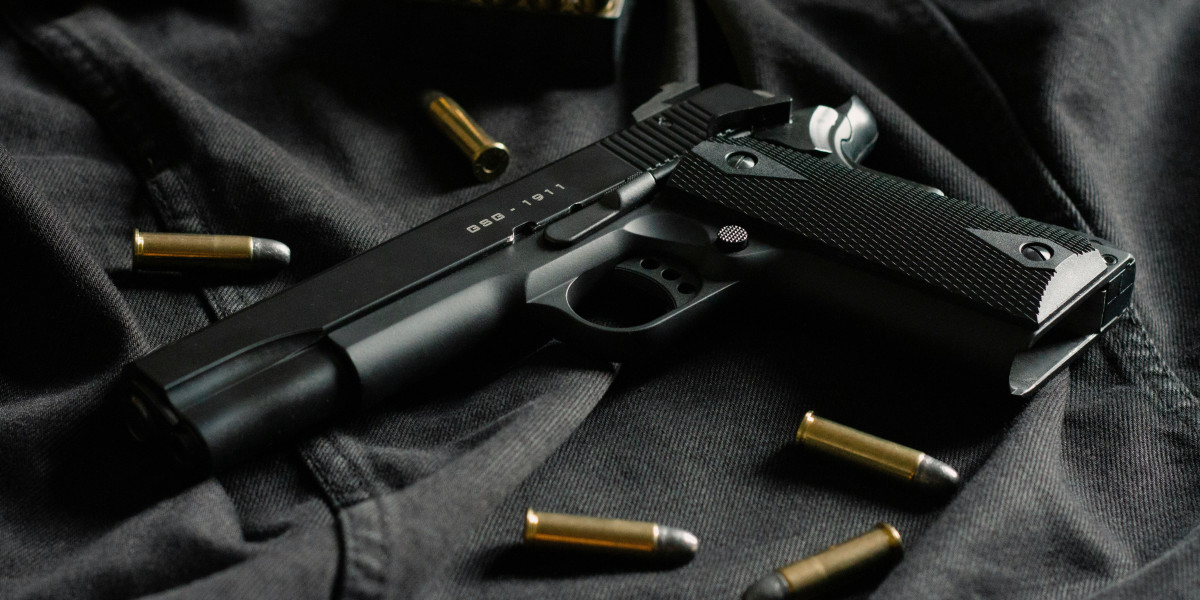

When we think of the history of the American West, or even the rise of modern industrial manufacturing, the name Colt is never far behind. While Samuel Colt’s genius lay in his vision for standardized parts and the reliable revolver, the true soul of his most prized creations was often found not in the machinery, but in the hands of the artists who decorated them. A colt engraved firearm is more than just a tool; it is a canvas, a historical document, and a testament to the fact that form and function can coexist in perfect, lethal harmony.
For over a century, the artisans who applied their trade to Colt frames have elevated the firearm from a utilitarian object to a fine art piece. These engravers were the silent partners in the Colt legacy, turning cold, blued steel into ornate masterpieces that have graced the holsters of lawmen, the display cases of presidents, and the private collections of the world’s most discerning enthusiasts. This tribute explores the masters who defined the craft, the technical prowess required to manipulate steel, and the enduring legacy of these functional treasures.
The Foundations of an Art Form: The Early Years and Cultural Context
The tradition of the colt engraved aesthetic did not happen by accident. In the mid-19th century, Samuel Colt understood the marketing power of luxury. He was a master of promotion, often gifting highly ornate, gold-inlaid, and exquisitely engraved revolvers to heads of state, military leaders, and dignitaries to secure lucrative government contracts. By doing so, he established the precedent that a Colt was not merely a weapon; it was a badge of rank, a diplomatic tool, and a symbol of prestige that separated the gentleman from the common soldier.
In an age where the Industrial Revolution was rapidly changing the landscape of production, Samuel Colt insisted on maintaining a department for high-end customization. This was a strategic move as much as an aesthetic one. Early engraving on Colt firearms drew heavily from European traditions—specifically the Germanic and Italian influences of the 18th and 19th centuries. These styles featured flowing scrollwork, intricate borders, and delicate floral motifs that complemented the fluid, rounded lines of the percussion revolvers of the day.
One of the most pivotal figures in this early era was Gustave Young. An immigrant from Germany, Young brought a level of technical sophistication that defined the "Colt style" for generations. Working in the mid-1850s, Young’s work is characterized by deep, crisp scrollwork and his signature "dog’s head" hammer design, which remains one of the most sought-after features by collectors today. Young did more than just decorate steel; he established a visual language of elegance that became the gold standard. His influence permeated the factory, setting a standard for depth, cleanliness of line, and artistic composition that his successors would strive to emulate for decades to come.
The Helfricht Era: Establishing the Industrial Standard
As the company evolved, so did the complexity of its artistic output. If Gustave Young provided the foundation, Cuno Helfricht built the house. Joining Colt in the late 1860s, Helfricht would go on to oversee the company’s engraving department for over half a century. His tenure coincides with what many consider the "Golden Age" of the Single Action Army (SAA).
Helfricht’s style was distinct and methodical. While Young leaned into the deep, Germanic floral scrolls, Helfricht favored a tighter, more uniform pattern that often covered a greater surface area of the firearm. He introduced techniques that allowed for more consistent coverage, which was essential as production volumes increased during the height of the Western expansion. Helfricht’s approach was essentially the marriage of art and assembly-line efficiency. He developed templates and styles that could be applied across multiple frames while maintaining a high level of aesthetic integrity.
Under Helfricht, the Colt engraving department became a disciplined atelier. He trained a generation of engravers who kept the "Colt look" consistent across models, from the pocket-sized House Pistol to the legendary Peacemaker. This consistency is why, even today, an expert can look at a piece and immediately identify it as a product of the Colt factory shop. The Helfricht influence ensured that a factory-engraved Colt possessed a specific, recognizable "hand," a fingerprint of the artist that was nonetheless compliant with company standards.
The Technical Challenge: The Physics of Working in Steel
It is important for the modern observer to remember that what these masters were doing was incredibly difficult. Engraving on hardened steel is not like carving wood or etching copper. It requires immense physical strength, precise motor control, and a deep understanding of metallurgy.
The tool of the trade is the graver—a sharpened steel chisel driven by a small hammer or the palm of the hand. An engraver must navigate the geometry of the firearm frame, which is anything but flat. Curvatures, sharp corners, and internal mechanisms all present challenges. Furthermore, the steel itself can vary in hardness. One slip of the graver could ruin a frame worth thousands of dollars. The master engraver must constantly adjust the pressure and angle of the tool to account for the resistance of the metal.
The masters of the Colt shop developed a process that involved "drawing" the pattern on the steel with a light acid or scribe before cutting. This was a blueprint of sorts. The beauty of their work lies in the depth and the "bright cut." By angling the cuts specifically, the light reflects off the edges of the metal, giving the engraving a shimmering, three-dimensional appearance that laser-etched modern reproductions simply cannot replicate. The "bright cut" requires the engraver to produce a flat, mirror-like surface at the bottom of the groove, which catches the light and adds a dynamic quality to the scrollwork that changes as the gun is held and turned in the hand.
The Art of Coverage: Understanding the Grades and Market Tiers
Throughout the 20th century, Colt formalized their engraving offerings, providing customers with different levels of coverage. This helped define the market for luxury firearms and created a structured tiers-based system that remains the benchmark for current collectors.
Level A: This is the entry-level offering, usually consisting of sparse, elegant scrollwork around the frame and cylinder. It provides a touch of class without overwhelming the gun’s silhouette. It is subtle and refined.
Level B: Typically featuring more extensive coverage, perhaps up to 50% or more, often incorporating more detailed floral motifs and perhaps a small game scene, gold borders, or specific scroll density that highlights the features of the revolver.
Exhibition Grade: This is the absolute pinnacle of the craft. Full-coverage engraving, often including complex gold or silver inlays, pearl or ivory grips, and specialized artistic themes (such as hunting scenes, portraits, or historical vignettes). These guns were rarely meant to be carried; they were meant to be admired as displays of human achievement.
The masters at the Colt shop understood that the engraving had to match the caliber and the character of the gun. A delicate .22 rimfire might receive a different style of scroll than a heavy-duty .45 Colt. This balance is what separates a factory-engraved masterpiece from a gaudy, over-decorated novelty. The best engravers knew when to stop—when the ornamentation complemented the form rather than obscuring it.
The Legacy of the Individual: Signature Styles and Modern Echoes
Even within the strict confines of the factory’s "house style," individual engravers often left their mark. While the company encouraged a uniform look, master engravers like Wilbur Glahn, who worked during the early to mid-20th century, infused their work with a unique grace. Glahn’s scrolls were often described as more "organic" and fluid than those of his predecessors. He had a way of making the steel look almost soft, as if it were carved from clay rather than tempered metal.
The history of these engravers is, in many ways, the history of the company itself. They were there during the transition from the black-powder era to the smokeless era, from percussion revolvers to the semi-automatic 1911. Every major event in the company’s history was commemorated by an engraved piece, often one of a kind. These guns were given to presidents, kings, and industrial titans, effectively serving as the physical ambassadors of American manufacturing excellence.
The engravers themselves often worked in quiet anonymity, but their work speaks volumes. Names like Cuno Helfricht, Wilbur Glahn, and others deserve to be mentioned alongside the engineers and designers who built the Colt name. They were the ones who made the brand desirable, turning mass-produced tools into objects of desire.
Preservation and Authenticity: The Quest for Provenance
Today, the appreciation for engraved Colts has reached a fever pitch. As the manufacturing processes have changed, original factory-engraved specimens have become increasingly rare and valuable. This brings us to a vital topic for any collector: provenance.
Because a colt engraved firearm is so valuable, it has unfortunately attracted the attention of forgers. It is a common, though highly discouraged, practice to take a standard-grade Colt and send it to an aftermarket engraver to "enhance" its value. While these guns may look beautiful—and sometimes the quality of aftermarket engraving is genuinely high—they lack the pedigree of a genuine factory-engraved piece.
The key to authenticity is the Colt Archive Letter. A factory letter can verify whether a specific serial number left the factory with engraving. If the factory record says the gun was shipped with a "plain blue finish," then any engraving found on it today, regardless of how masterful it is, is aftermarket. For the serious collector, the factory documentation is just as important as the metal work itself. It is the pedigree that secures the investment. Collectors should always prioritize documented history over aesthetic appeal when making significant acquisitions.
The Future of the Craft and the Persistence of the Art
While hand engraving is a fading art in many industries, it remains alive and well in the firearms community. Modern masters continue to study the works of Young, Helfricht, and Glahn, practicing the same techniques that were used in the 19th century. There is a profound respect for this lineage, and many modern custom shops are dedicated to preserving these traditional skills.
The future of the craft lies in the hands of those who are willing to put in the years of apprenticeship required to master the graver. It is a slow, meditative, and unforgiving process. It is the antithesis of the "fast and cheap" culture of modern consumer goods. When you hold an engraved Colt, you are holding the accumulation of hundreds of years of artistic tradition. You are touching the same steel that a master craftsman touched over a century ago, and in doing so, you are participating in a conversation that spans generations. It is a bridge between the industrial past and the artisanal present.
Conclusion
The masters behind the metal were more than just employees of a firearms manufacturer. They were the architects of a legend. Their work transformed pieces of industrial hardware into heirlooms, and in doing so, they ensured that the name Colt would be synonymous with both strength and beauty. Whether you are a collector searching for that elusive factory-documented piece or an enthusiast looking to appreciate the finer details of master craftsmanship, the world of engraved Colts offers an endless journey of discovery.
These pieces are more than the sum of their parts—they are the physical embodiment of a time when craftsmanship was the final arbiter of quality. By preserving these firearms, we are not just holding onto a piece of steel; we are protecting a chapter of human artistry that is essential to our heritage. For those eager to explore the market, see stunning examples of historical artistry, or learn more about the technical specifications of collector-grade firearms, resources like GunsAmerica provide a vital platform for connecting with the community, tracking market trends, and finding your own piece of history.