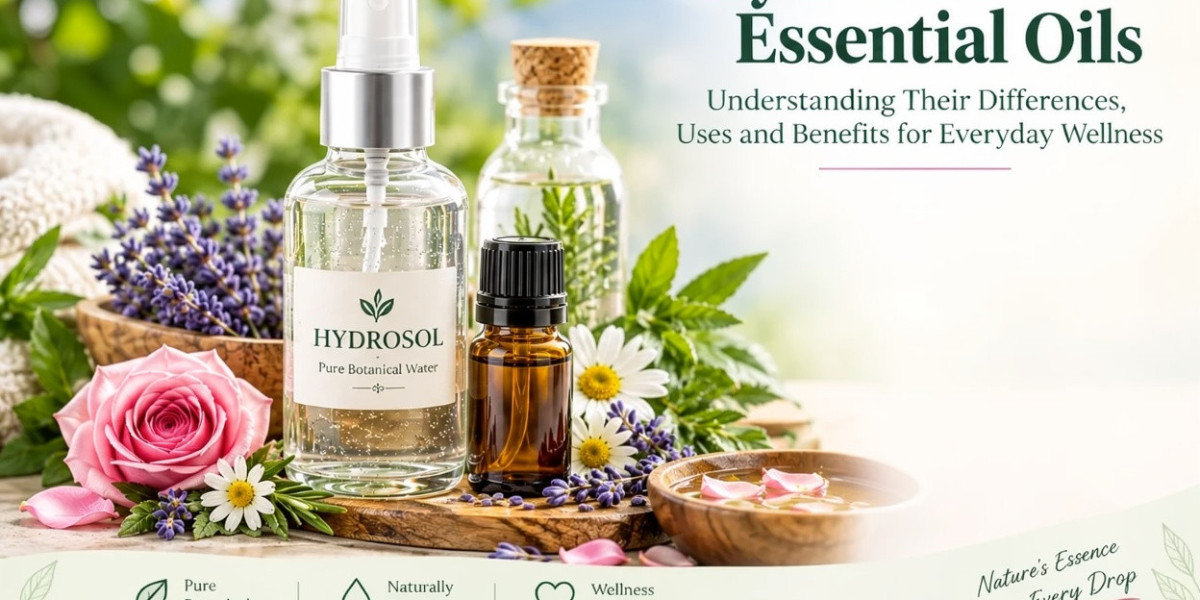

Plant-based ingredients have become an important part of modern skincare, aromatherapy, and natural wellness routines. Among these botanical products, natural hydrosols are gaining attention because of their gentle properties and versatile applications. Understanding the relationship between a hydrosol essential oil product and traditional essential oils can help consumers choose the right botanical solution for their skincare and aromatherapy needs.
Whether you are interested in refreshing facial mists, natural skincare ingredients, or aromatic products, learning about hydrosols, their production methods, and their practical uses can help you make informed purchasing decisions.
1. What Are Hydrosols?
Hydrosols are aromatic waters produced during the steam distillation or hydro-distillation of aromatic plants. During this process, steam passes through plant material, carrying volatile aromatic compounds. After condensation, the resulting liquid separates into two components: essential oil and aromatic water.
The aromatic water is commonly called a hydrosol, floral water, or plant distillate.
Unlike concentrated essential oils, hydrosols contain water-soluble aromatic compounds and small amounts of volatile constituents. Their composition depends on the plant species, distillation process, and production conditions.
Popular examples include:
Rose hydrosol
Lavender hydrosol
Chamomile hydrosol
Peppermint hydrosol
Helichrysum hydrosol
Neroli hydrosol
These botanical waters are commonly incorporated into facial sprays, skincare formulations, and personal care products.
2. How Are Hydrosols Produced?
The production of hydrosols involves a carefully controlled distillation process. Understanding how these products are made helps consumers recognize quality and authenticity.
The general production process includes the following steps:
Plant Selection: Fresh or dried aromatic plant materials are selected according to the desired botanical extract.
Steam Distillation: Steam passes through the plant material, releasing volatile aromatic compounds.
Condensation: The aromatic steam travels through a cooling system and returns to liquid form.
Separation: The resulting distillate contains essential oil and aromatic water. The oil separates from the water, leaving the hydrosol.
Storage and Packaging: The finished hydrosol is collected and stored in suitable containers to protect its quality.
Clean equipment, appropriate distillation temperatures, and hygienic handling are important factors in producing high-quality botanical waters.
3. Hydrosols vs. Essential Oils: What Is the Difference?
Although hydrosols and essential oils may come from the same plant, they are different products with distinct chemical compositions and applications.
| Feature | Hydrosols | Essential Oils |
|---|---|---|
| Composition | Water-based aromatic distillate | Concentrated volatile plant compounds |
| Concentration | Generally less concentrated | Highly concentrated |
| Texture | Water-like liquid | Oily liquid |
| Common applications | Facial mists and skincare | Aromatherapy and diluted skincare |
| Usage | Often used as supplied, depending on formulation | Usually requires appropriate dilution |
A hydrosol essential oil comparison is particularly useful for people deciding between a gentle botanical water and a concentrated aromatic extract.
Neither product is automatically suitable for every skin type. Individual sensitivities, ingredients, product quality, and intended applications should always be considered.
4. Popular Benefits and Uses of Hydrosols
Hydrosols are versatile botanical ingredients that can be incorporated into different personal care and wellness routines.
Gentle Skincare Applications
Many people use floral waters as part of their skincare routines. Rose and chamomile hydrosols, for example, are popular ingredients in facial sprays and cosmetic formulations.
Depending on their formulation and individual compatibility, these products can provide a refreshing sensation and help add a lightweight water-based step to skincare.
Natural Facial Mists
Hydrosols are frequently used as facial mists because of their lightweight consistency. They can be applied as a refreshing spray throughout the day, provided the product is formulated and packaged appropriately.
Hair Care Products
Certain botanical waters are used in hair mists, scalp-care formulations, and leave-in cosmetic products. Their suitability depends on the ingredients and the intended application.
Aromatherapy Applications
Hydrosols retain some of the characteristic aromatic qualities of their source plants. They can be incorporated into aromatic sprays and other products designed for a gentle botanical fragrance experience.
DIY Cosmetic Formulations
People interested in homemade skincare products sometimes use hydrosols as water-phase ingredients in cosmetic formulations.
However, water-based products can support microbial growth. Proper preservation, hygienic preparation, and appropriate storage are essential when making homemade formulations.
5. Choosing the Right Hydrosol for Your Skincare Routine
Different botanical waters offer different aromatic profiles and formulation characteristics. Selecting the right product depends on your personal preferences and intended use.
Here are some popular options:
Rose Hydrosol: Known for its delicate floral aroma, rose water is widely used in facial mists and cosmetic formulations.
Lavender Hydrosol: Offers a recognizable herbal-floral fragrance and is commonly included in refreshing personal care products.
Chamomile Hydrosol: Features a mild botanical aroma and is used in various skincare formulations.
Helichrysum Hydrosol: A botanical distillate appreciated for its distinctive herbal scent and use in specialty skincare products.
Peppermint Hydrosol: Has a fresh, minty aroma and is often selected for refreshing cosmetic applications.
When choosing a product, consider the botanical name, ingredients, production method, packaging, and storage recommendations.
6. What to Look for When Buying Quality Hydrosols
Not all botanical waters are produced to the same standards. Quality assessment is important when purchasing natural skincare ingredients.
Consider these factors before buying:
Botanical Identification: Look for the correct botanical name to understand which plant was used.
Purity: Check whether the product contains additional fragrance, preservatives, or other ingredients.
Distillation Information: Reliable product descriptions should explain the extraction or distillation process.
Packaging: Suitable containers help protect products from contamination and environmental exposure.
Storage Instructions: Follow the manufacturer's guidance regarding temperature, light exposure, and shelf life.
Supplier Transparency: Choose sellers that provide clear product information and answer questions about sourcing and quality.
For consumers comparing botanical ingredients, a transparent supplier makes it easier to understand what they are purchasing.
7. Why Explore Essential Oil Blends Alongside Hydrosols?
Hydrosols and essential oil blends can complement different aspects of a botanical personal care collection. While hydrosols are water-based distillates, essential oil blends combine selected aromatic oils to create distinctive fragrance profiles.
If you are interested in exploring blended botanical products, read this helpful guide: Wholesale Essential Oil Blends: A Complete Guide to Quality Selection and Bulk Buying.
The guide discusses important considerations when selecting wholesale blends, including quality assessment, ingredient selection, and bulk purchasing. It can be a useful resource for retailers, aromatherapy businesses, and buyers interested in understanding the wholesale essential oil market.
Comparing sourcing standards and product specifications across botanical categories can help businesses make more informed purchasing decisions.
8. How to Incorporate Hydrosols Into Everyday Routines
Incorporating botanical waters into daily personal care does not need to be complicated.
Here are a few practical ideas:
Use a suitable facial mist as a refreshing skincare step.
Incorporate compatible floral waters into professionally formulated cosmetic products.
Choose botanical sprays with ingredients that match your personal preferences.
Store products according to the manufacturer's instructions.
Perform a patch test before introducing a new topical product.
Always avoid spraying products into the eyes or inhaling concentrated mists intentionally. Check the label for usage restrictions, particularly when using products around children, pets, or sensitive individuals.
9. Explore Botanical Products at Miracle Botanicals Essential Oils
Choosing botanical products from a knowledgeable supplier can make exploring natural skincare and aromatherapy easier. Miracle Botanicals Essential Oils offers a selection of essential oils, hydrosols, carrier oils, and botanical products for customers interested in plant-based ingredients.
From floral waters to aromatic essential oils, understanding product composition and intended applications helps consumers select products that suit their personal care preferences.
Explore different botanical ingredients, compare product information, and prioritize quality when building your natural skincare collection.
Frequently Asked Questions (FAQs)
1. What is a hydrosol used for?
Hydrosols are commonly used in facial mists, cosmetic formulations, hair care products, and aromatic sprays. Their applications depend on the specific botanical ingredients and product formulation.
2. Are hydrosols the same as essential oils?
No. Hydrosols are water-based aromatic distillates produced during plant distillation, while essential oils are concentrated volatile plant extracts. Their chemical compositions and applications are different.
3. Can hydrosols be used directly on the face?
Many commercially prepared hydrosols are intended for topical cosmetic use. However, users should check the product label, review its ingredients, and perform a patch test before applying it to the face.
4. How should hydrosols be stored?
Store hydrosols according to the manufacturer's instructions. Keep them in suitable containers, protect them from excessive heat and direct sunlight, and follow the recommended shelf-life guidance.
5. How do I choose a quality hydrosol?
Look for clearly identified botanical ingredients, transparent sourcing information, appropriate packaging, and detailed product descriptions. Avoid products with unclear ingredients or unsupported purity claims.
Conclusion
Hydrosols offer a versatile way to explore the aromatic properties of botanical ingredients in water-based personal care products. Understanding the hydrosol essential oil distinction, production methods, product quality, and appropriate applications can help consumers make better purchasing decisions. By selecting suitable botanical waters and following responsible skincare practices, you can incorporate these plant-derived products into a well-informed personal care routine.